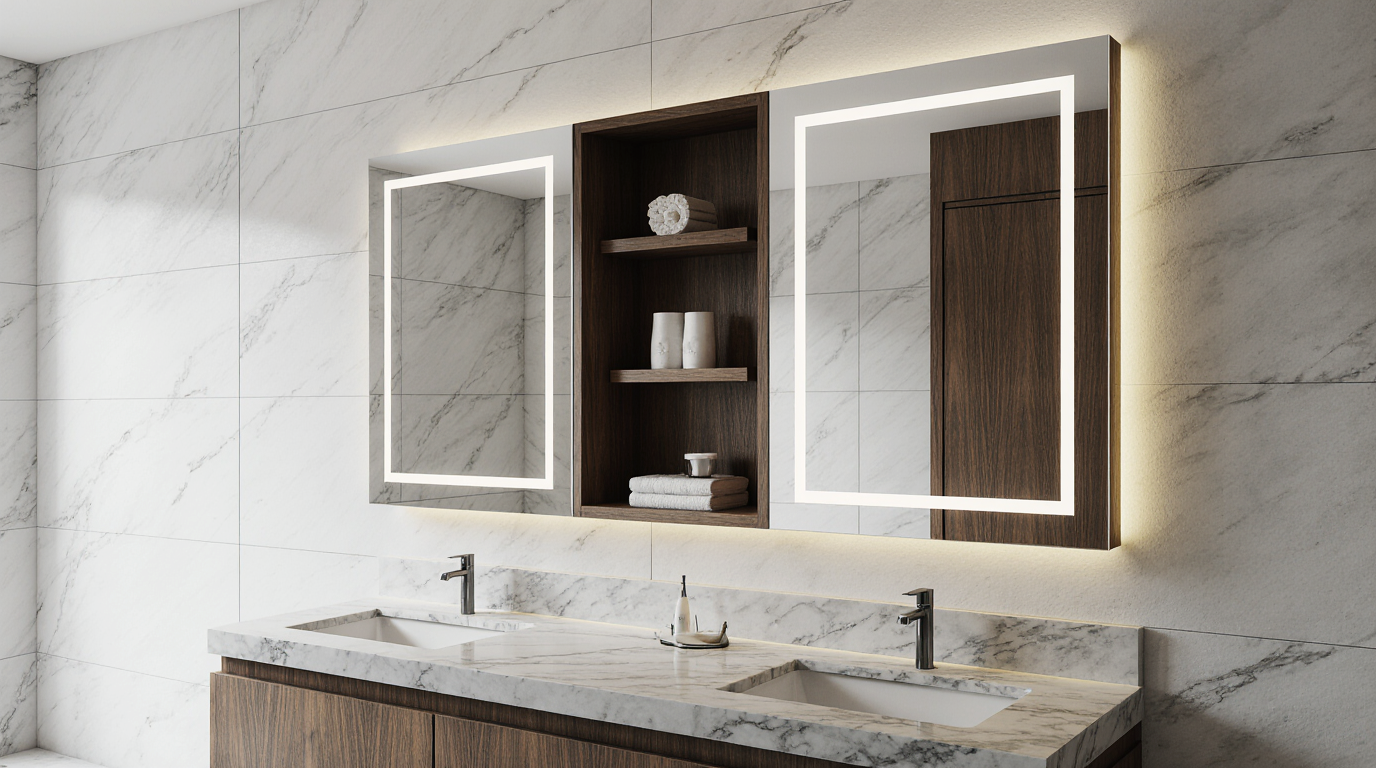
Exploring Custom Bathroom Cabinet Costs: Key Determinants of Price and Excellence
When it comes to custom bathroom cabinets, homeowners often find themselves navigating a wide range of price points, materials, and design possibilities, recognizing that the investment goes beyond mere aesthetics—it directly impacts functionality, durability, and the overall value of the bathroom renovation. Understanding the true cost of custom bathroom cabinets means acknowledging the intricate craftsmanship, meticulous design precision, and personalized details required to tailor a space to individual needs. Unlike prefabricated options, custom cabinets are built to perfectly fit your layout, storage requirements, and style preferences with unparalleled attention to detail.
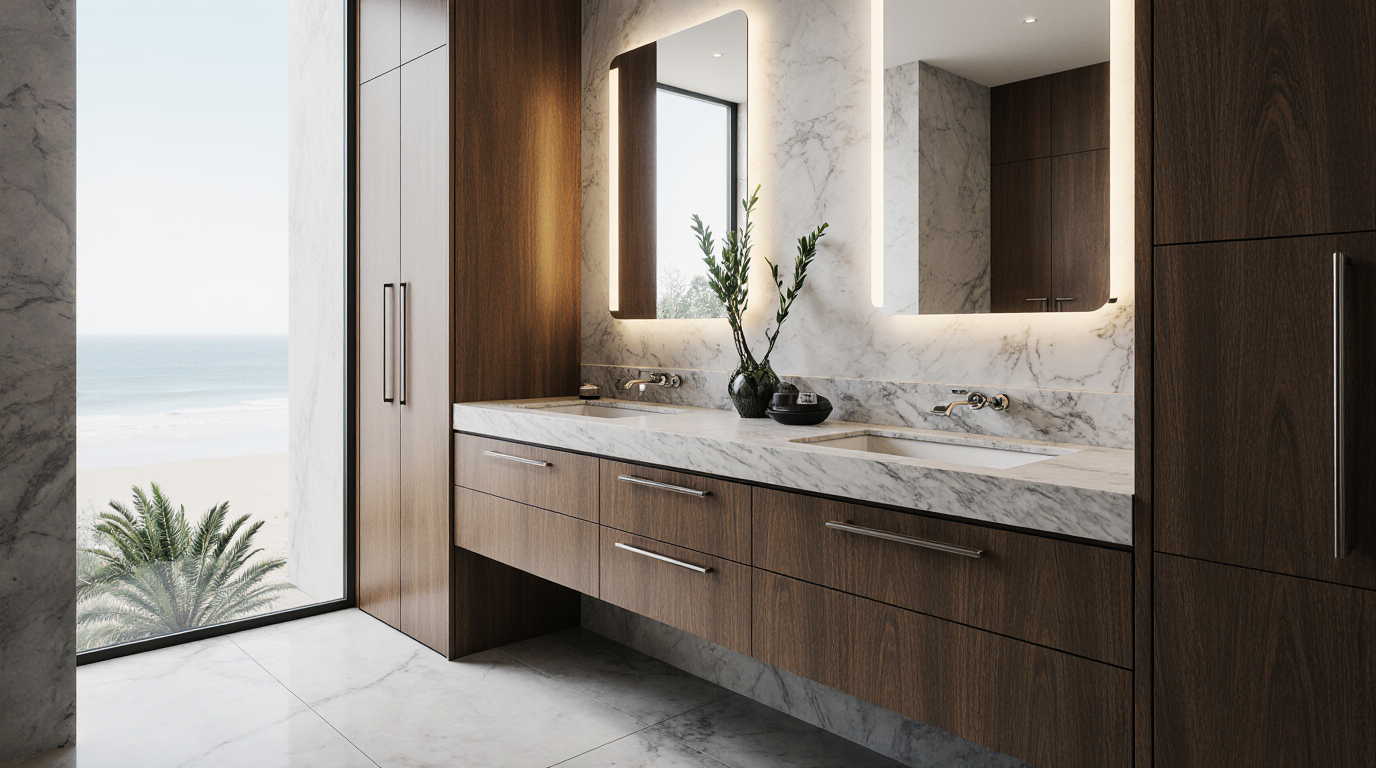
One of the most critical factors influencing the price of custom bathroom cabinets is the selection of material, opulent selections including maple, walnut, cherry, and solid hardwood drive costs higher, reflecting both lasting durability and refined elegance. More affordable alternatives like MDF or plywood provide flexible design solutions and a wide range of finishes that mimic natural wood grains. Material selection directly impacts not only cost but also performance in humid environments, making moisture-resistant options a wise investment for maintaining structural integrity and long-term beauty.
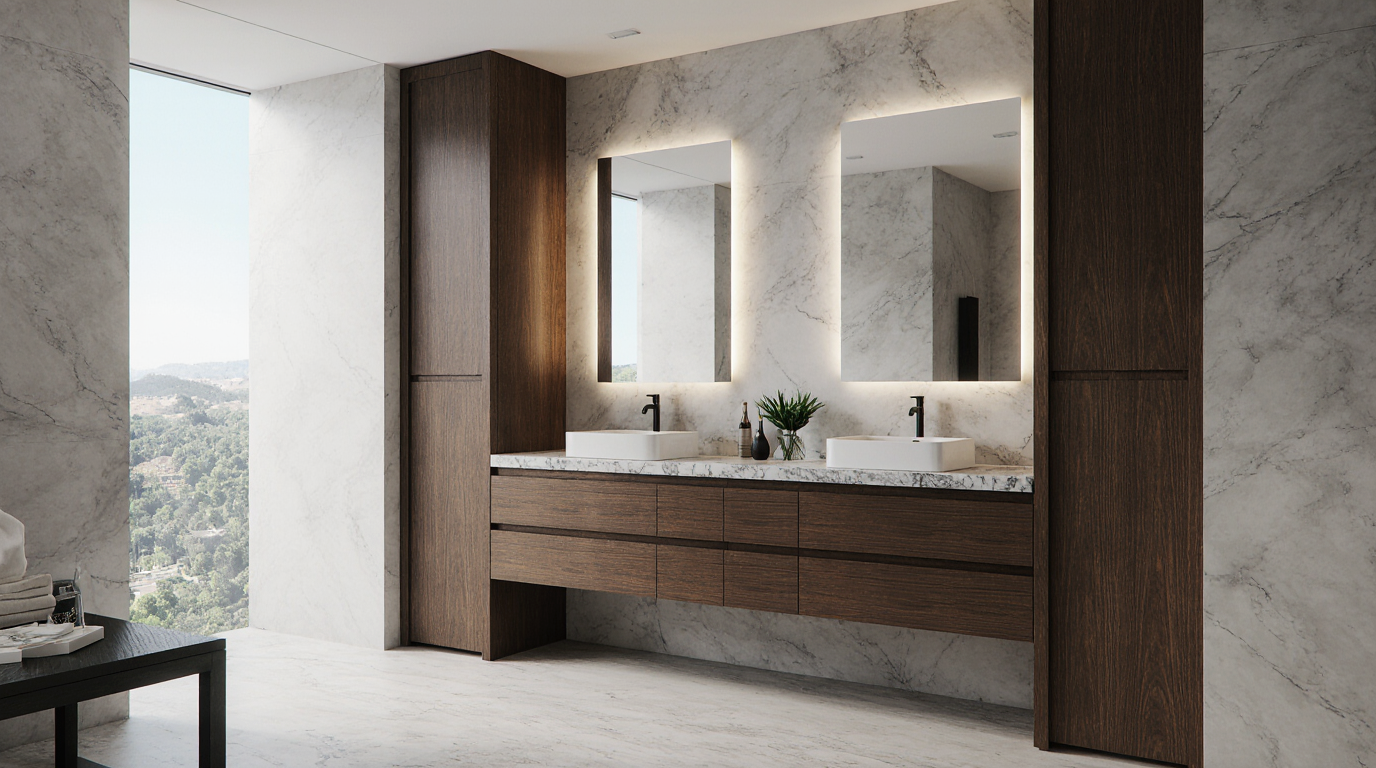
The degree of customization is another substantial contributor to the total cost of custom bathroom cabinets, fully bespoke solutions crafted to exact measurements can feature tailored storage, integrated lighting, and unique functional additions like pullouts or hampers. These design elements add both convenience and a polished, designer-quality finish. By contrast, semi-custom options allow some degree of adjustment but do not match the uniqueness or precision of entirely custom cabinetry. Choosing fully tailored solutions allows exact alignment with the homeowner’s aesthetic and practical priorities, creating a bathroom that is truly unique.
The choice of finish significantly affects custom bathroom cabinet pricing, with hand-painted or stained finishes raising costs due to labor intensity and material quality. High-gloss lacquer finishes offer contemporary elegance but require masterful execution to achieve perfection. Specialized finishes such as custom color matching, distressing, or moisture-protective coatings can further increase investment. Premium finishing techniques contribute to enduring aesthetics and a sophisticated, spa-like environment.
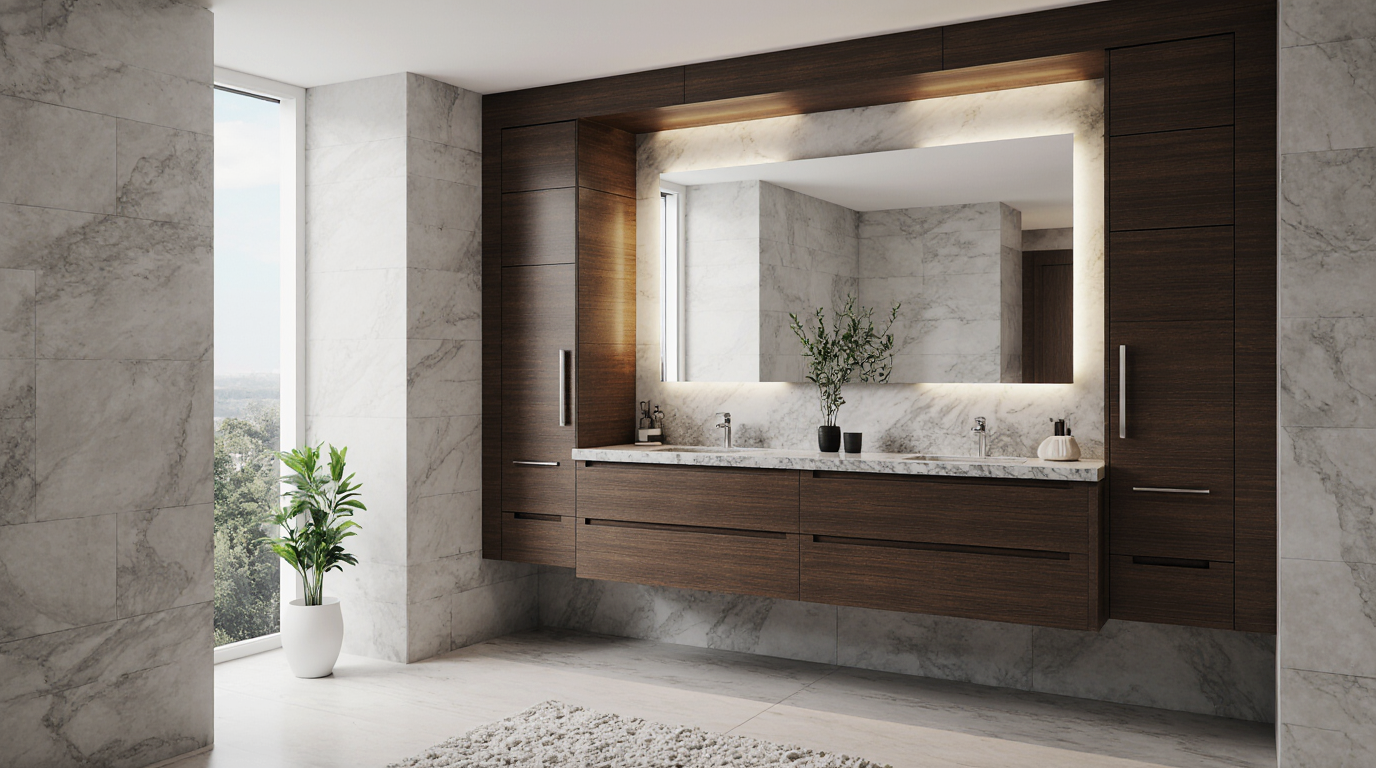
Complex design elements significantly affect the investment required for bespoke cabinets, intricate detailing, including ornamental moldings, inset panels, and curved profiles, demands specialized labor and higher costs. Even modern, flat-front styles demand careful execution to ensure flawless alignment and finish. Advanced custom elements such as floating vanities, integrated mirrors, and wall-to-wall cabinetry can further raise costs due to specialized installation and structural support needs. Many consider these upgrades worthwhile, transforming standard bathrooms into elegant, high-end sanctuaries.
Labor is another major cost factor for custom cabinetry, because expert labor guarantees flawless execution and enduring cabinet performance. Labor includes design consultation, precise measurement, material preparation, finishing, and installation. Urban areas typically incur elevated labor expenses, whereas smaller markets may offer more affordable skilled labor. Despite higher upfront costs, skilled labor ensures long-term durability, aesthetic perfection, and cabinetry functionality.
Bathroom size and cabinetry volume directly impact total cost, compact bathrooms typically demand a single vanity, whereas master suites often include extensive cabinetry and organizational features. Adding units naturally elevates both production and installation costs. Larger bathrooms require careful collaboration between designers, plumbers, and electricians to ensure perfect fit around fixtures and utilities. Engaging an experienced designer during planning minimizes errors, ensures cohesive design, and optimizes budget.
Geography and project scale affect custom cabinet costs, high-cost-of-living regions often command premium materials and skilled labor expenses. Adjustments to utilities during renovation contribute additional costs. Eco-friendly or sustainable options such as bamboo, reclaimed wood, or low-VOC finishes slightly raise costs but provide long-term benefits.
Choosing high-quality hardware can noticeably influence total investment, hardware quality directly affects smooth operation, tactile experience, and long-term durability. Custom finishes, including matte black, brushed brass, or polished chrome, allow complete coordination with the bathroom’s design. Although increasing costs modestly, premium hardware greatly enhances user satisfaction and cabinetry lifespan.
Effective budgeting requires understanding typical price ranges. Regional variation, design complexity, and craftsmanship level affect these estimates. Collaborating with reputable designers ensures functional, beautiful bathrooms that remain within budget.
Understanding the enduring impact of custom cabinets is critical, beyond visual appeal, they increase perceived luxury and home value. Tailored cabinetry ensures maximal organization, comfort, and space utilization for practical benefits. Timeless designs and durable materials ensure that investments provide value for decades.
In the end, cost comprehension requires recognizing factors influencing both expenditure and functionality, spanning materials, finishing techniques, intricate designs, and expert labor. Stock solutions might offer short-term savings, but bespoke cabinets convert ordinary bathrooms into personalized retreats. Those prioritizing both practicality and design excellence find that custom cabinetry delivers unmatched long-term value.