The up-to-date home progresses, and with it, the demands for each specific space. Once consigned to a dim, practical corner of the basement, the laundry room has seen a profound shift, emerging as a highly functional, beautifully designed Sanctuary of Cleanliness. The idea of Contemporary Laundry Design goes well past **simple efficiency; it is an merging of ergonomics, aesthetics, and smart technology into a space that merits as much thoughtful consideration as the kitchen or the primary bathroom. Achieving this elevated status necessitates a deep dive into construction components, spatial planning, and the incorporation of user-focused design principles.
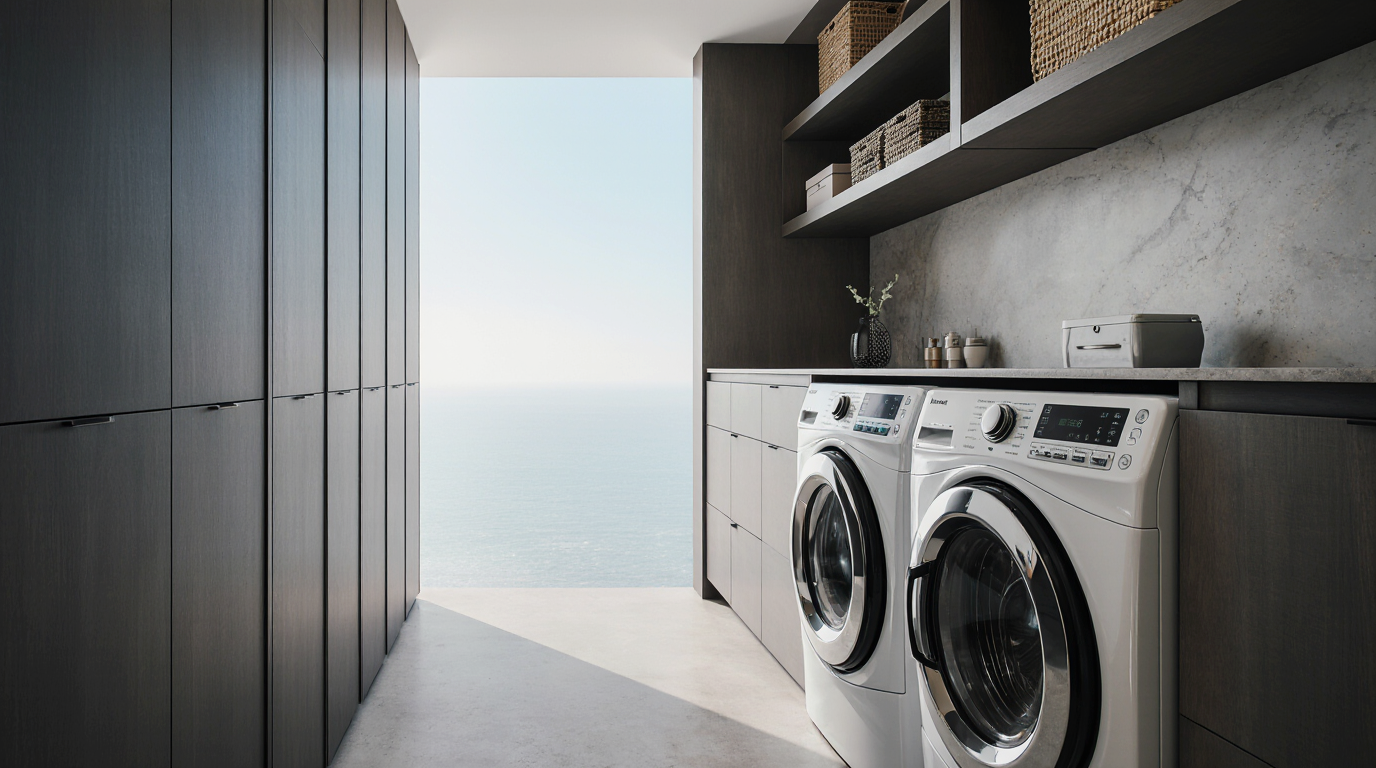
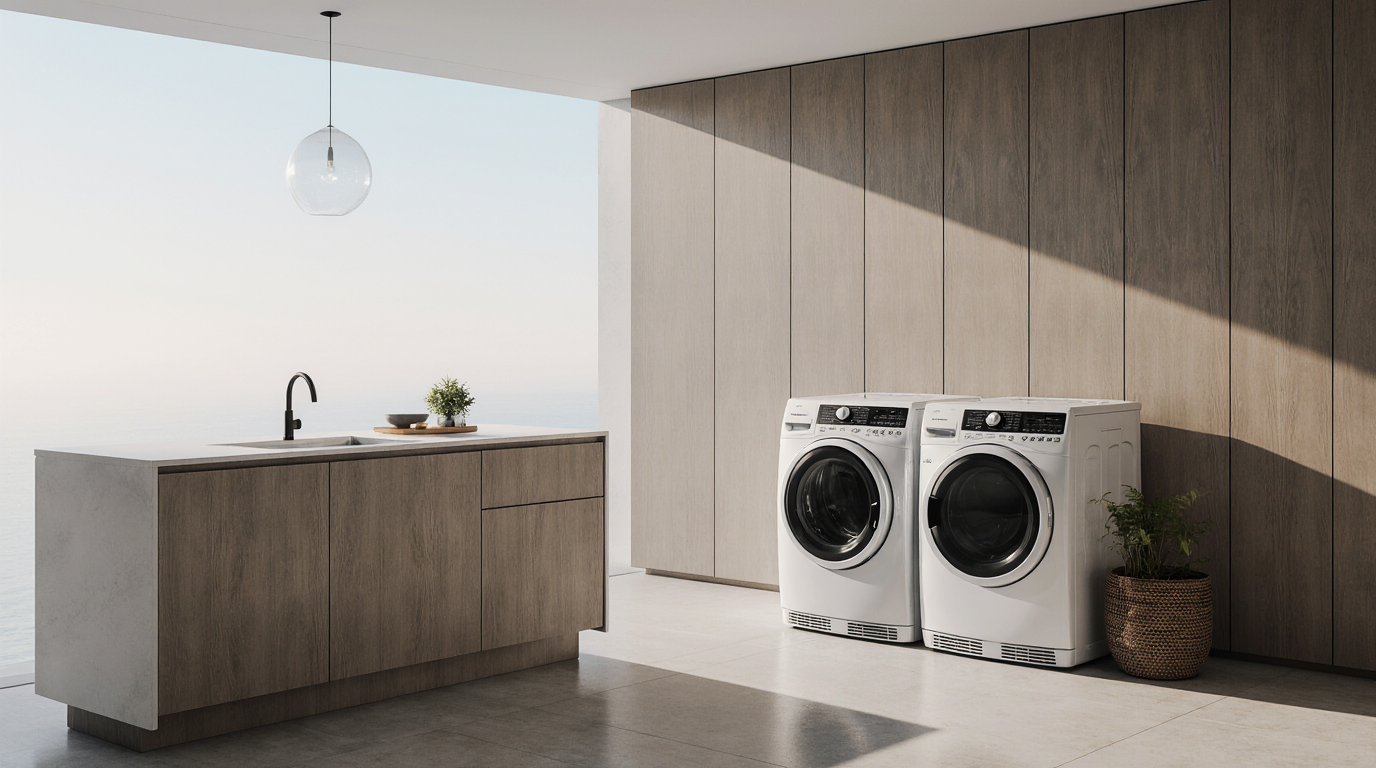
The foundation of any triumphant up-to-the-minute laundry room lies in precise spatial planning. The ideal layout should enable a uninterrupted workflow, frequently referred to as the Laundry Chore Cycle: sorting, washing, drying, folding, and storing. In bigger zones, this might result in an L-shape or even a U-shape configuration to maximize counter space and cabinet access. For smaller footprints, a galley or single-wall layout must be rigorously optimized. Vertical space utilization is crucial, relocating supplies from floor-cluttering stacks to sleek, tall cabinetry. These cabinets, commonly using push-to-open mechanisms or discreet, integrated pulls, keep up the clean, uncluttered look central to contemporary style. The picking of a cabinetry finish is a pivotal aesthetic decision; matte laminates, high-gloss lacquers, or natural wood veneers with a soft stain all aid in achieving a polished, non-institutional feel.
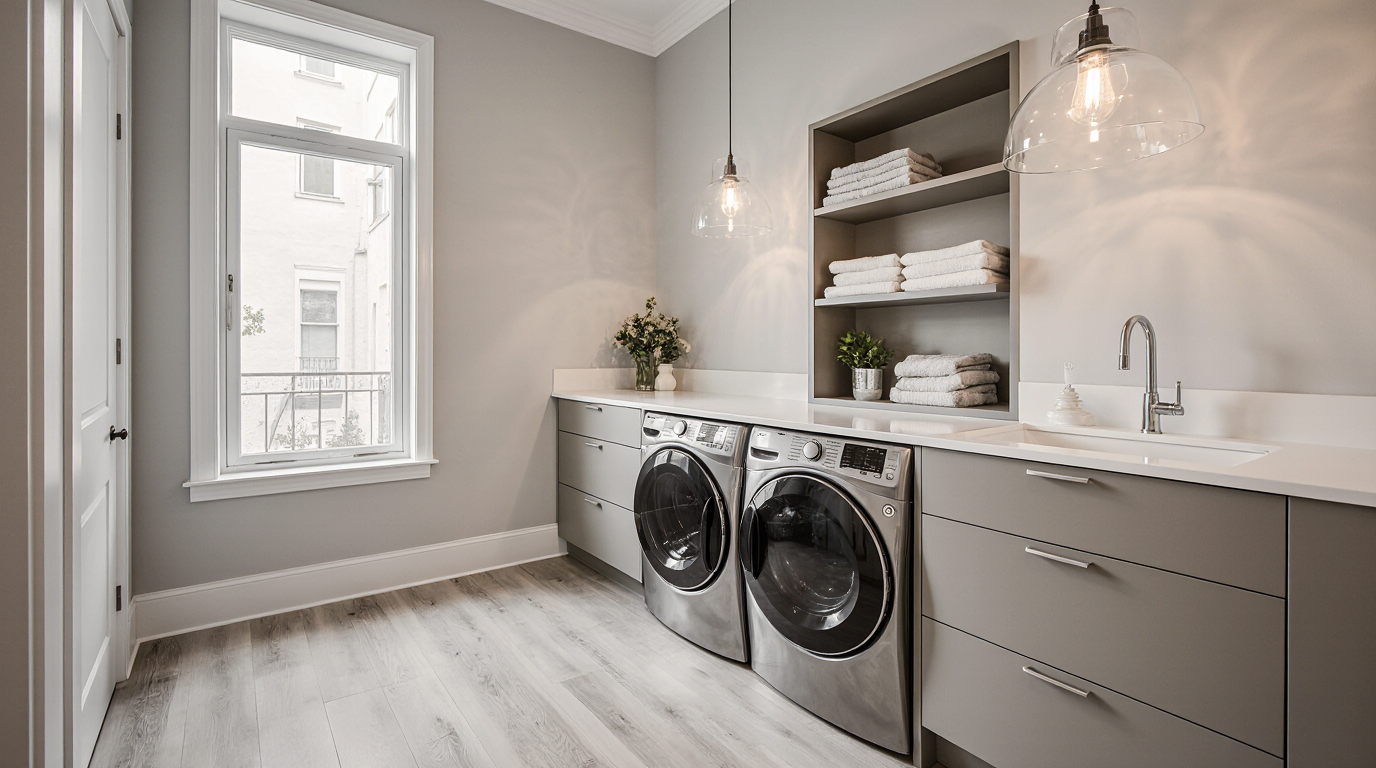
At the heart of the contemporary laundry experience is the selection of countertops. Moving away from low-cost laminate, experts now choose materials that deliver durability and visual continuity with the rest of the home. Quartz is a principal choice due to its non-porous nature, exceptional stain resistance—vital when dealing with pre-treatment products—and broad selection of gentle veining patterns that look like natural stone. Solid surface materials are similarly utilized for their potential to be flawlessly connected with a built-in sink. The countertop depth must be precisely measured to fit the front-loading appliances, confirming that the door swing radius is free and that there is ample depth for a convenient folding area.
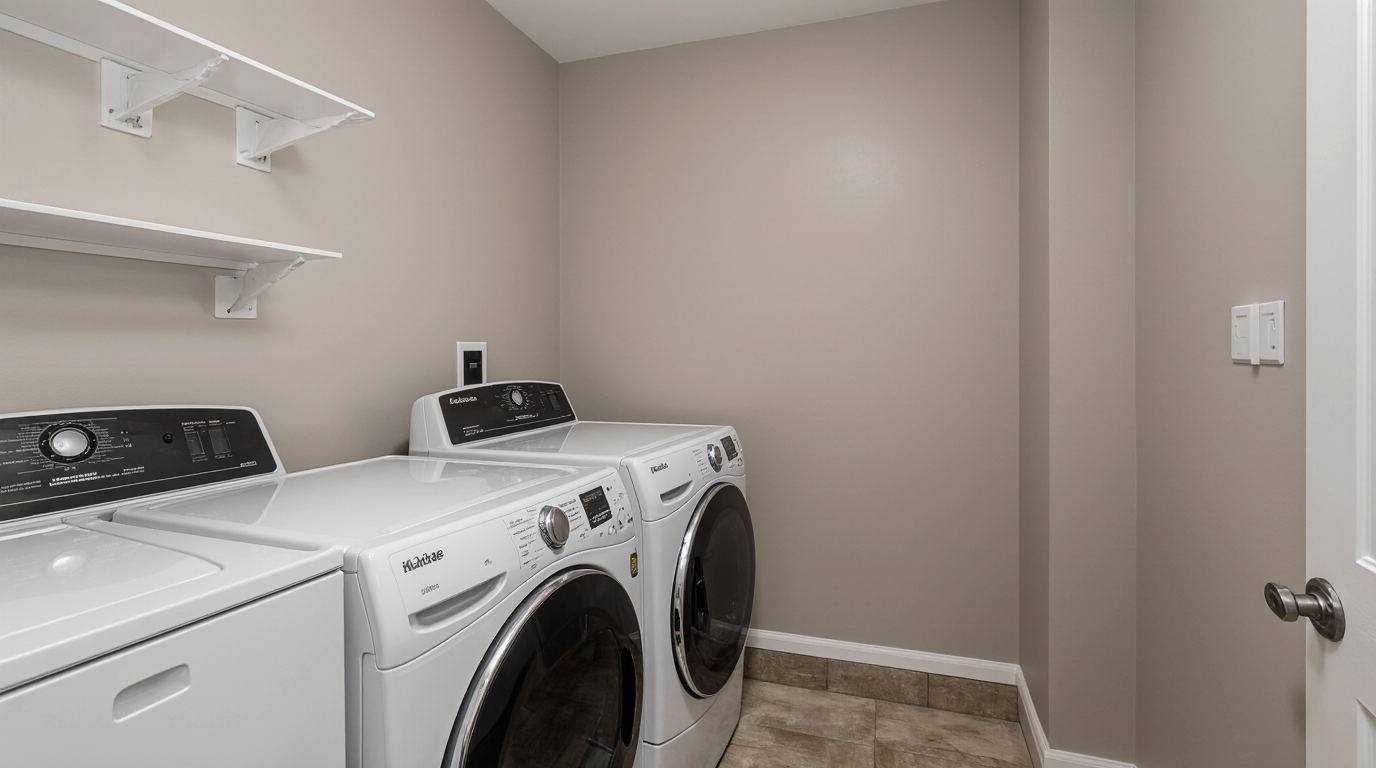
The core appliances informs the majority of the design. The move to high-efficiency front-loaders allows for the critical design move of appliance stacking or, more favorably in contemporary design, positioning the washer and dryer side-by-side mounted on purpose-built pedestals. These pedestals, generally mirroring the base cabinetry, have two roles: hoisting the machines to an ergonomic working height (alleviating stress on the lower back) and providing integrated drawer storage for detergents, dryer sheets, and minor maintenance tools. When space permits, the best contemporary setup places the machines under a continuous counter run, creating a integrated work surface that conceals the practical purpose of the appliances.
Illumination is frequently forgotten but is a key differentiator in a high-end laundry design. Standard overhead fixtures are inadequate. The contemporary standard calls for a layered lighting approach. This first involves ample ambient lighting, usually recessed LED cans on a dimmer switch to modulate the light level. This must be supplemented with task lighting—LED strip lighting fixed to the bottom of upper cabinets to remove dim areas on the folding surfaces. For a genuine bespoke feel, try incorporating decorative sconces on either side of a window or a statement pendent fixture over a central island, if the ceiling height allows. The color temperature of the bulbs should be in the range of a crisp white ($\textaround 4000\textK$) to verify true color rendition, which is essential when examining blemishes or sorting whites and colors.
Flooring choices must balance moisture resistance with style. Large-format porcelain or ceramic tiles are a practical extravagance, offering patterns that include everything from matte concrete looks to elegant marble facsimiles, all while being impervious to water leaks. For a more pleasant, more sophisticated aesthetic, luxury vinyl plank (LVP) in a high-quality wood look is becoming a trend; it is structurally sound and quiet underfoot, helping to create the room's serene atmosphere. The visual connection between the laundry room and adjacent spaces, such as a mudroom or hallway, is key to achieving design cohesion, frequently resulting from mirroring the flooring material.
The functional elements include sophisticated water management and ventilation. For homes requiring gas dryers, proper venting must be structured to maintain the clean sightlines—this means hiding the ductwork within the wall cavities as opposed to routing bulky pipes externally across visible areas. Smart plumbing considerations include installing a leak detection system linked to the main water shutoff valve, a required feature for any premium utility space.
The accessory integration marks the contemporary execution. This is where customization lifts the design from functional to bespoke. Built-in elements feature a built-in drying rack that pulls down from a ceiling cavity, deep utility sinks made of granite composite or enameled cast iron, and hidden ironing centers that disappear entirely when not in use. Open shelving is utilized minimally, reserved only for beautiful organizational items—consider woven baskets for unmatched socks or clear airtight canisters for laundry pods. The goal is to store all equipment and materials behind closed doors, ensuring that the final look is one of understated elegance and absolute order. The contemporary laundry room is no longer merely a place where clothes get clean; it is a purposefully created environment that supports the household’s rhythms with grace and cutting-edge functionality. This meticulous attention to detail mutates a chore zone into a highly valued asset within the modern domestic landscape, showcasing a dedication to holistic home functionality.