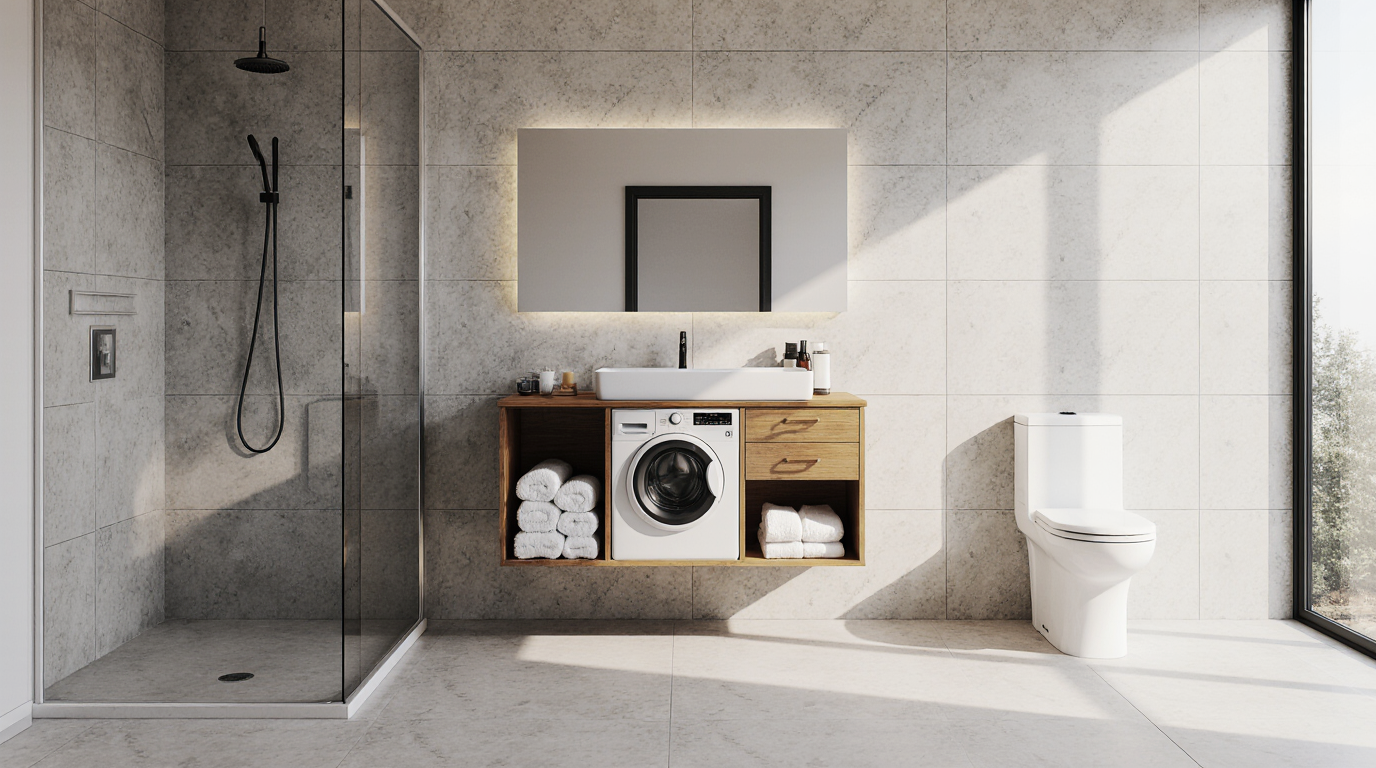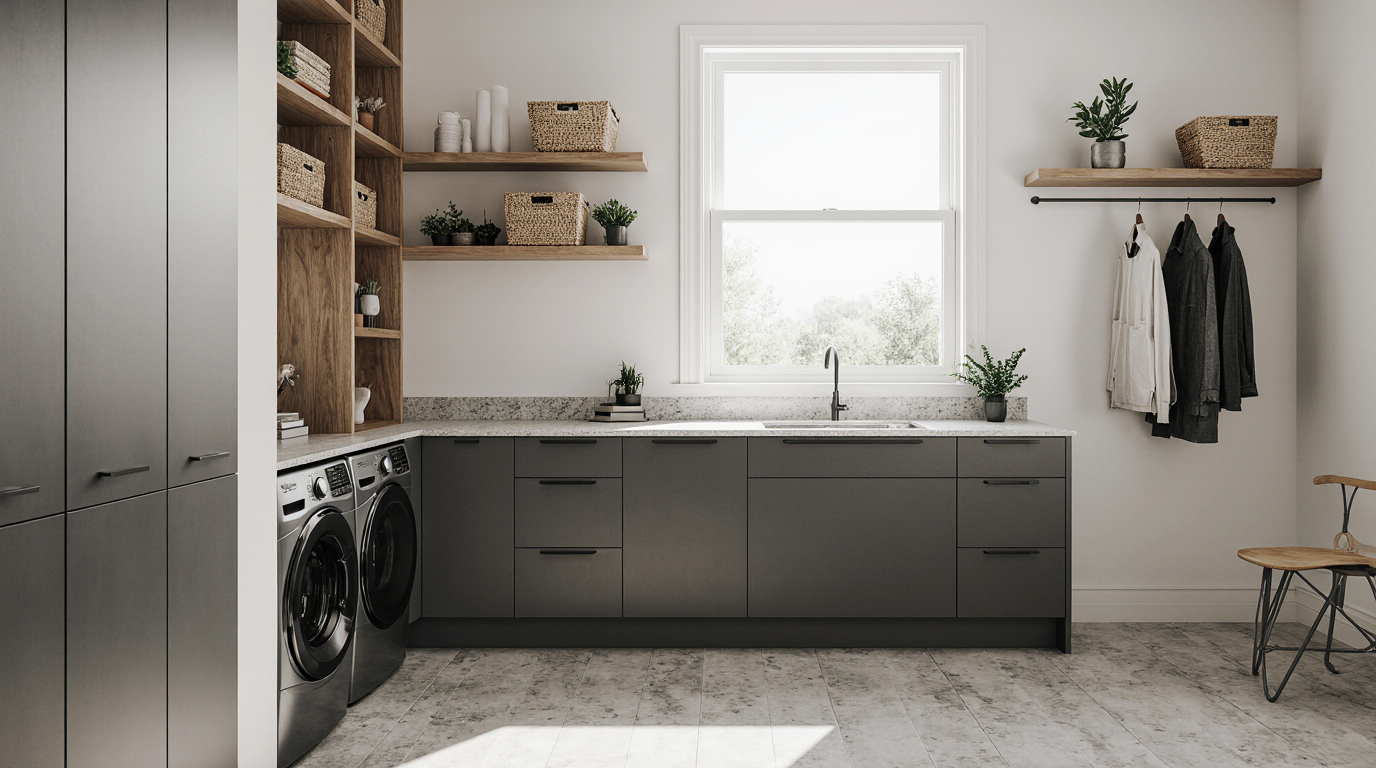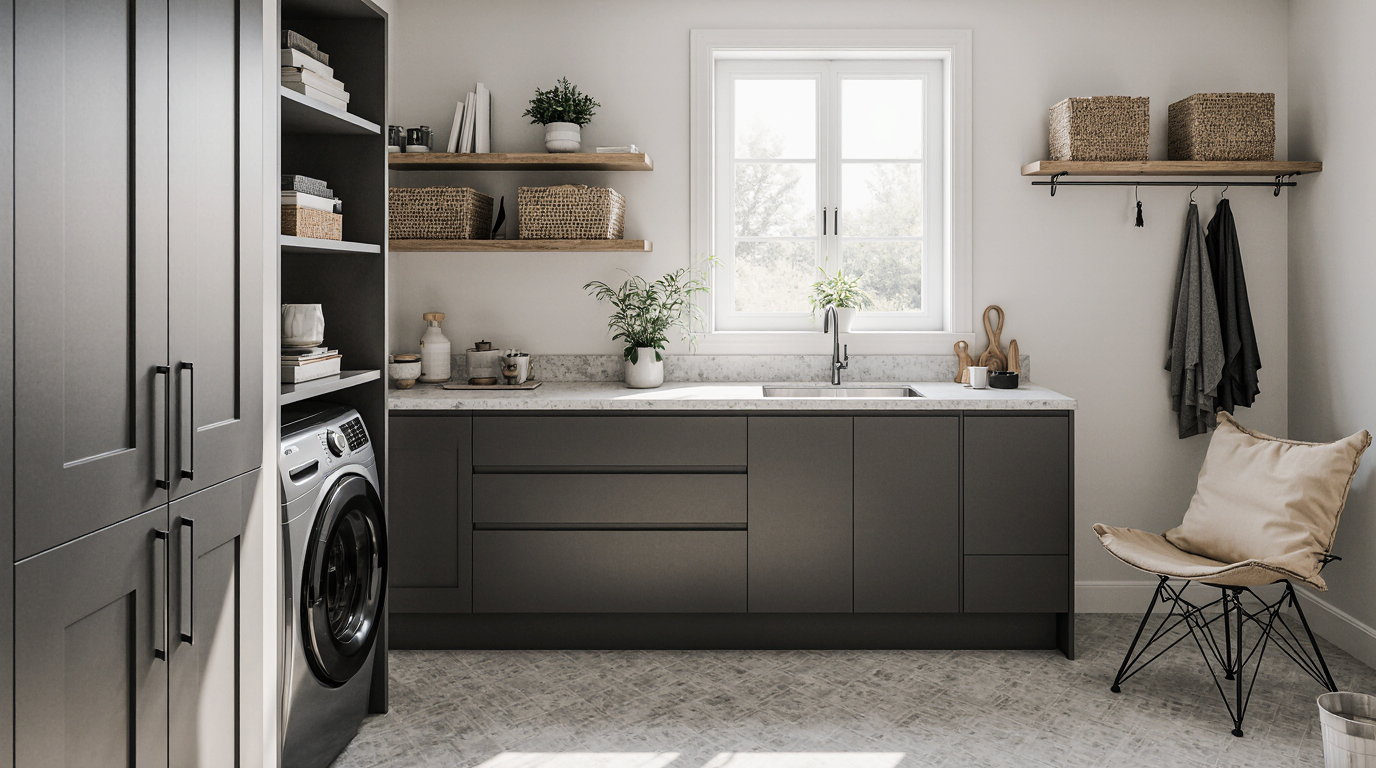
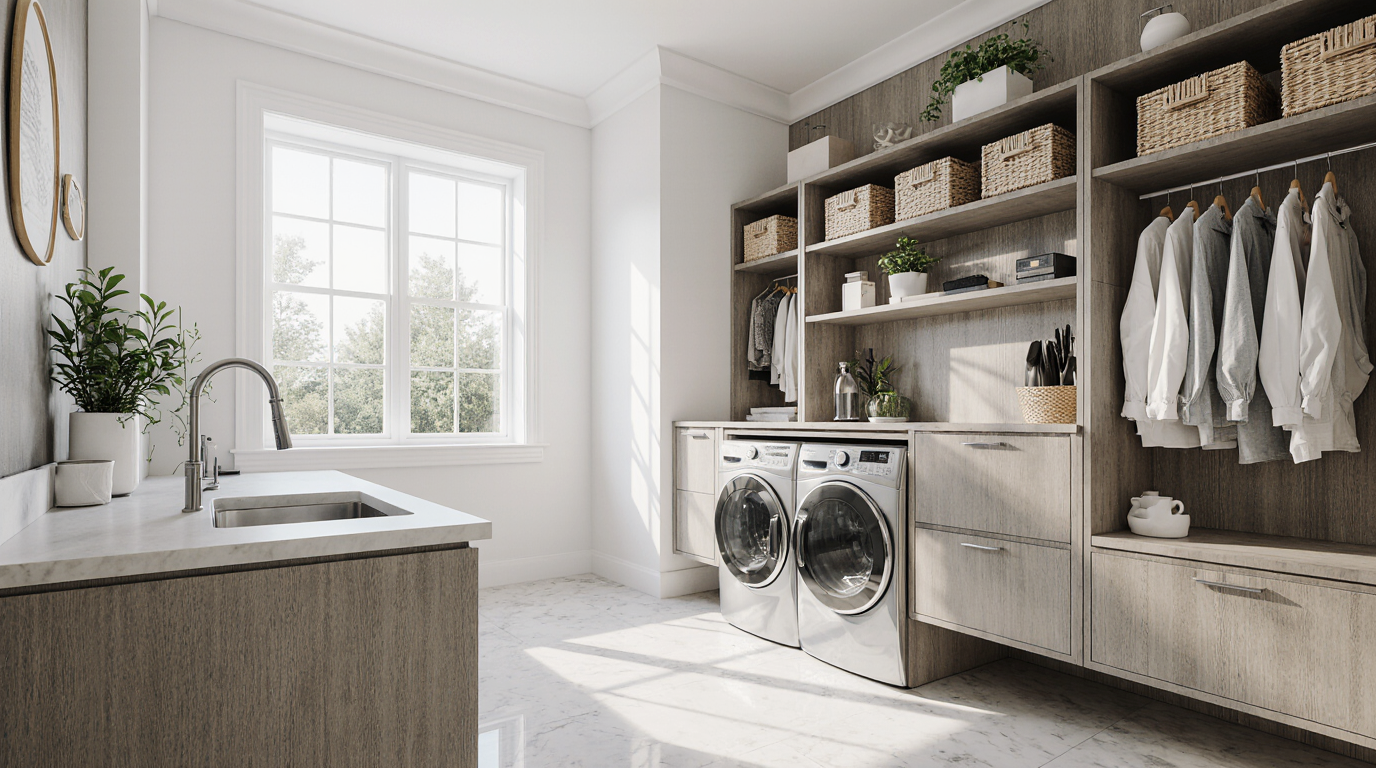
Transforming a laundry closet into a space that is both functional and aesthetically pleasing is a challenge that combines smart design strategies with creativity. Many homeowners overlook the potential of a small laundry area, treating it merely as a utility space. By applying careful planning and nuanced design touches, even a small laundry closet can emerge as a stylish, functional retreat. Design professionals note that constrained spaces can achieve maximum aesthetic impact with texture, functional storage, and personal detailing. Choosing the right combination of cabinetry, lighting, and organizational tools is key to maximizing the efficiency of a laundry closet without sacrificing style.
An essential starting point for a standout laundry closet is a careful analysis of the room’s size and structure. Measure the closet carefully, taking into account the height, depth, and width, as these dimensions will determine which appliances, shelving, and storage units can be incorporated seamlessly. Using floor-to-ceiling storage solutions is a modern approach to expanding functionality in compact laundry closets. Vertical cabinetry and shelving systems create tidy, stylish storage for cleaning products and linens. Tailor-made cabinets allow full optimization of the available space, combining practicality with style. For homeowners seeking a high-end touch, luxury bathroom design specialists recommend using soft-close drawers and pull-out hampers that blend functionality with refined aesthetics.
Lighting plays a crucial role in transforming a laundry closet into a welcoming and efficient area. Limited daylight in small closets makes layered LED or task lighting essential for openness. Recessed ceiling lights, under-cabinet LED strips, and task lighting above the countertop or sink can illuminate key areas where visibility is essential. Warm-toned illumination makes even a functional closet feel welcoming and stylish. Strategic light placement can showcase accents like wallpapers, tiles, or color features, turning the closet into a visually curated space. Design experts emphasize that subtle fixtures—pendants, sconces—can make small closets appear luxurious.
The choice of color schemes and textures plays a pivotal role in shaping the mood of the space. Light colors, such as soft whites, creams, or muted pastels, visually expand the area and make it feel airy and clean. High-end surfaces like quartz, marble, or matte-finished cabinets combine elegance with practical resilience. Mixing tactile surfaces—woven textures, polished wood, or smooth cabinetry—adds dimension. For those aiming to harmonize the laundry closet with the broader bathroom design, coordinating tiles, hardware, and paint colors can create a seamless flow. Durable, premium materials enhance both beauty and longevity, reflecting professional-level design principles.
Intelligent storage planning is crucial for functionality and tidiness in compact laundry areas. A combination of open and closed storage balances accessibility with visual neatness. Pull-out hampers, sliding baskets, and stacking units optimize vertical and horizontal space, making even the smallest closets highly functional. Adaptive modular units maintain efficiency and aesthetic appeal as requirements shift. Integrating retractable rods or compact ironing setups maximizes functionality without cluttering. Effective organization blends practicality with aesthetic intent, allowing each object a proper home.
Thoughtful decoration adds personality and charm to functional laundry areas. Decorative touches personalize the space without creating visual clutter. Small indoor plants or hanging greenery enhance the aesthetic and soften the environment. Thoughtful accessories, like matching containers for detergents or labeled baskets for sorting laundry, reinforce the sense of order and style. Experts stress that decorative and practical balance allows even tiny closets to exude personality. Careful layering of materials, tones, and decor elevates small laundry areas to visually captivating spaces.
Choosing the right machines significantly impacts a closet’s usability and workflow. Compact washers and dryers are ideal for tight spaces, but high-performance machines with multiple settings ensure that convenience is never sacrificed. Stackable units are particularly useful in vertical spaces, allowing the addition of shelving or cabinetry above the appliances. Integrating appliances into the design, rather than treating them as separate elements, maintains a cohesive and streamlined appearance. Professional advice favors integrating appliances into the closet’s visual language for cohesion.
Attention to minor elements frequently defines the overall success of a laundry design. Coordinated accents unify the design and elevate refinement. Space-saving accessories like retractable racks and collapsible boards increase functionality. Pleasant aromas contribute to a welcoming, well-considered design. Experts note that meticulous detailing distinguishes exceptional closets from ordinary ones. Merging practical features with visual appeal and curated accents transforms the closet into a highlight of the home.
Transforming a laundry closet into a stylish and efficient space requires careful planning, creativity, and attention to detail. All elements—cabinets, lighting, colors, and accents—work together to optimize both style and usability. Tailored storage, integrated appliances, and thoughtful lighting design achieve an elegant yet efficient laundry area. Proper design transforms tiny closets into highly efficient, stylish spaces that harmonize with the home. Professional-inspired strategies allow even compact laundry areas to become inviting, practical, and design-forward retreats.