The laundry room, moving past its status as a mere simple closet, is evolving into a practical and aesthetically pleasing component within the modern home. Integral to this transformation is the countertop, which functions as the principal area for the continual duties of sorting garments, folding items, and pre-treating fabrics. Picking the appropriate surface material is a decision that balances sturdiness, care protocols, and aesthetic cohesion. The ideal laundry room countertop must perform like a workhorse, fully equipped of handling liquid accidents, the load of laundry baskets, and the infrequent warmth from a hand-held steamer or iron, all as it adds to a serene or lively atmosphere, in accordance with your individual style. This is where the art and science of interior design meet the practicalities of domestic utility.
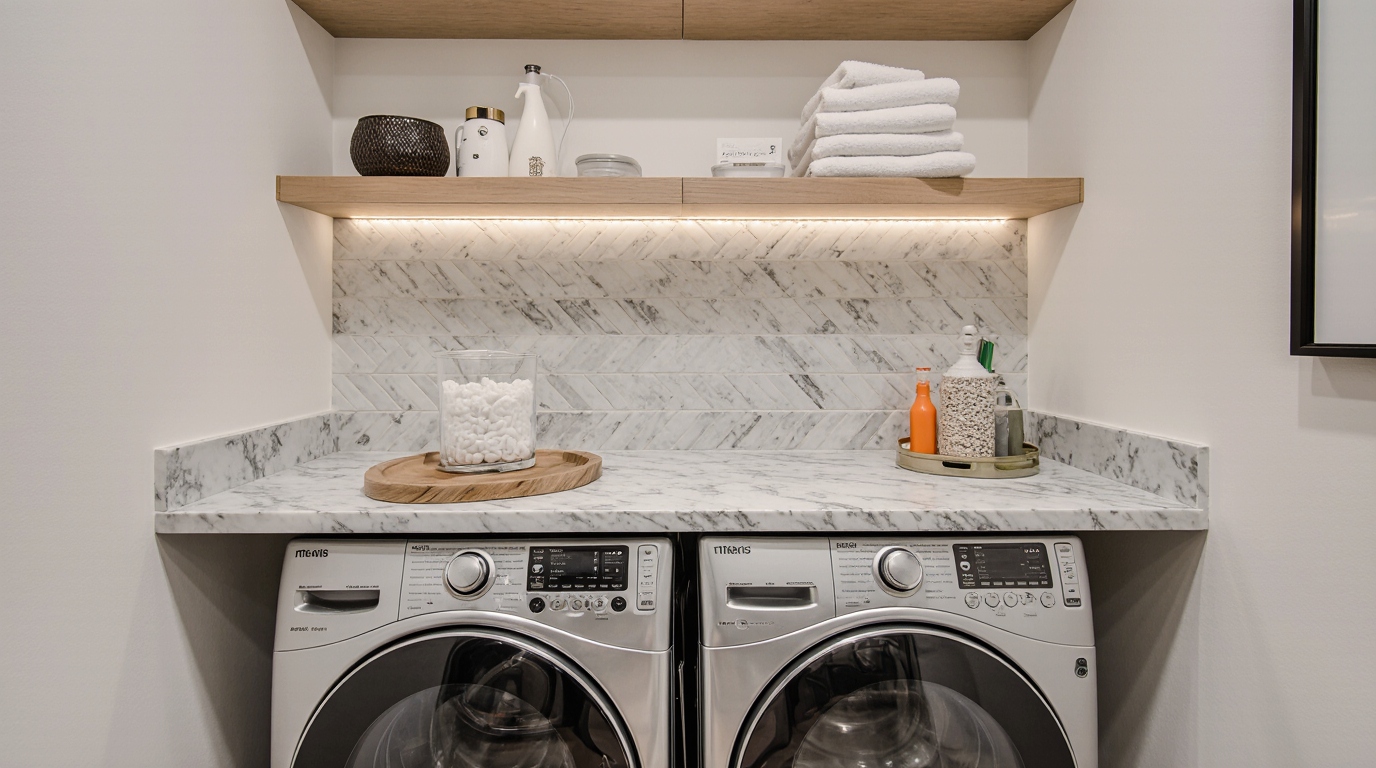
When examining potential options, man-made quartz is consistently positioned as a top contender for the discerning homeowner. This material's renown is founded upon its status as a non-porous surface, which directly means excellent anti-stain properties—a vital characteristic when dealing with common laundry chemicals, or harsh cleaning solutions. Unlike some stone options, many quartz countertops will not need periodic sealing, offering a substantial benefit in the terms of low-maintenance living. This engineered material can convincingly mimic the veining of marble or the speckled visual depth of granite, providing a upscale aesthetic without the maintenance headache of complex upkeep. Nevertheless, a critical consideration for quartz is its vulnerability from extreme heat; while generally robust, setting down a scorching iron directly on the surface for an long time might damage the resin binders, which could result in scorch marks or discoloration. Savvy designers often advise integrating a protective pad, even with the most durable quartz, to help ensure its long lifespan.
For homeowners seeking real organic warmth and a better price point, laminated hardwood remains a favorite selection, especially prominent in farmhouse or rustic design aesthetics. The unique grain of various woods like hard maple, walnut, or bamboo introduces texture and a sense of homeliness that fabricated materials frequently lack. The critical factor here is water avoidance. A properly installed and well-cared-for butcher block surface requires consistent application of food-safe mineral oil or a tough sealing finish—often formulated to be marine-grade—to stop warping, swelling, or the development of bacteria from moisture seepage around the sink or from damp laundry. If your plans involve a lot of water contact or if you like a truly easy routine, the ongoing obligation for wood may very well shift your preference in favor of a stone alternative.
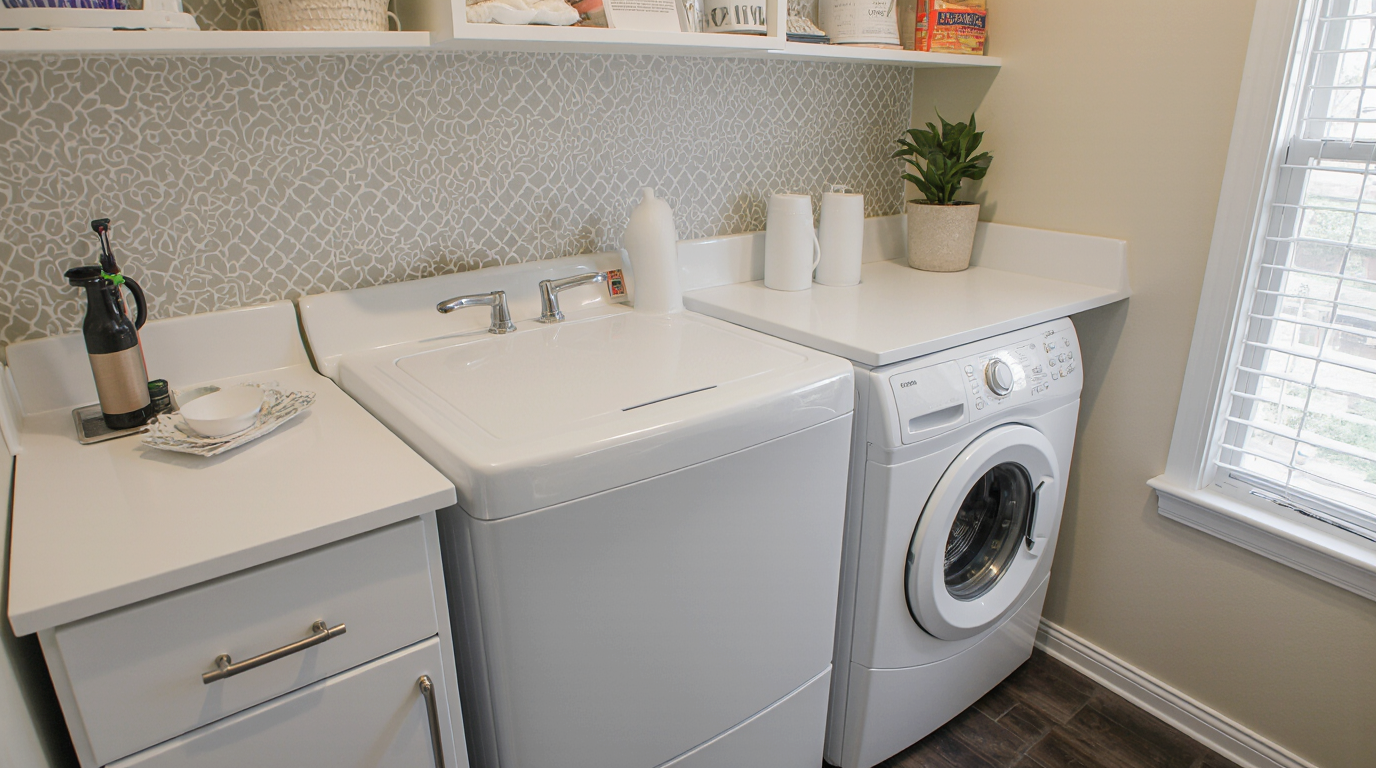
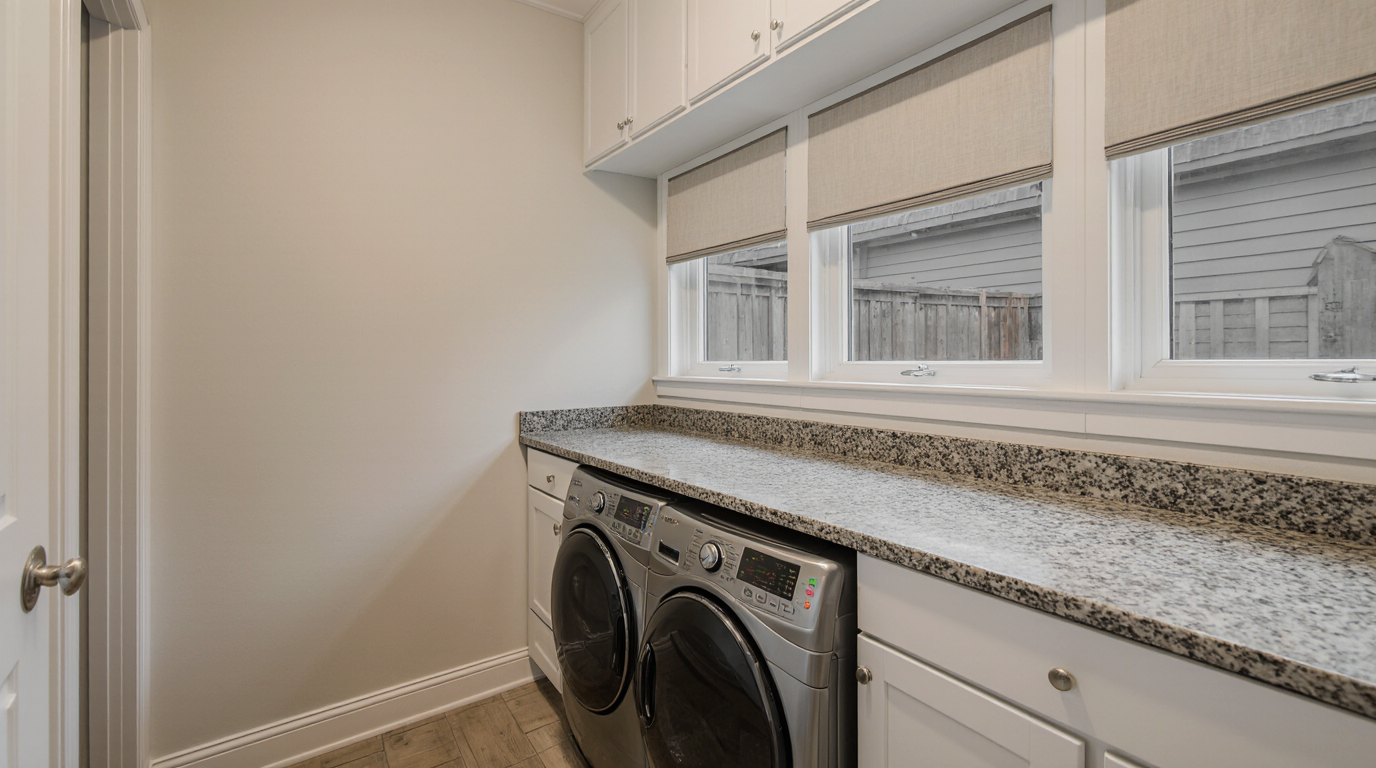
Moving into the category of high-end durability and perennial appeal, granite is an recognized powerhouse. Its natural composition makes it virtually resistant to heat and scratching, marking it as a authentically indestructible surface for the most demanding use. While it offers stunning visual depth, conventional granite requires regular sealing to maintain its ability to resist staining, most notably from oils or colorful liquid spills common in a utility space. When cost is the primary concern, laminate countertops offer a cost-effective solution. Contemporary laminates now provide an impressive variety of color palettes and patterns, even simulating stone or wood convincingly. The trade-off lies in their vulnerability to scratching and moisture ingress at the joints or cut edges, which has the potential to lead to bubbling or delamination over time, making them a less than ideal choice for areas experiencing intense wear or consistent humidity.
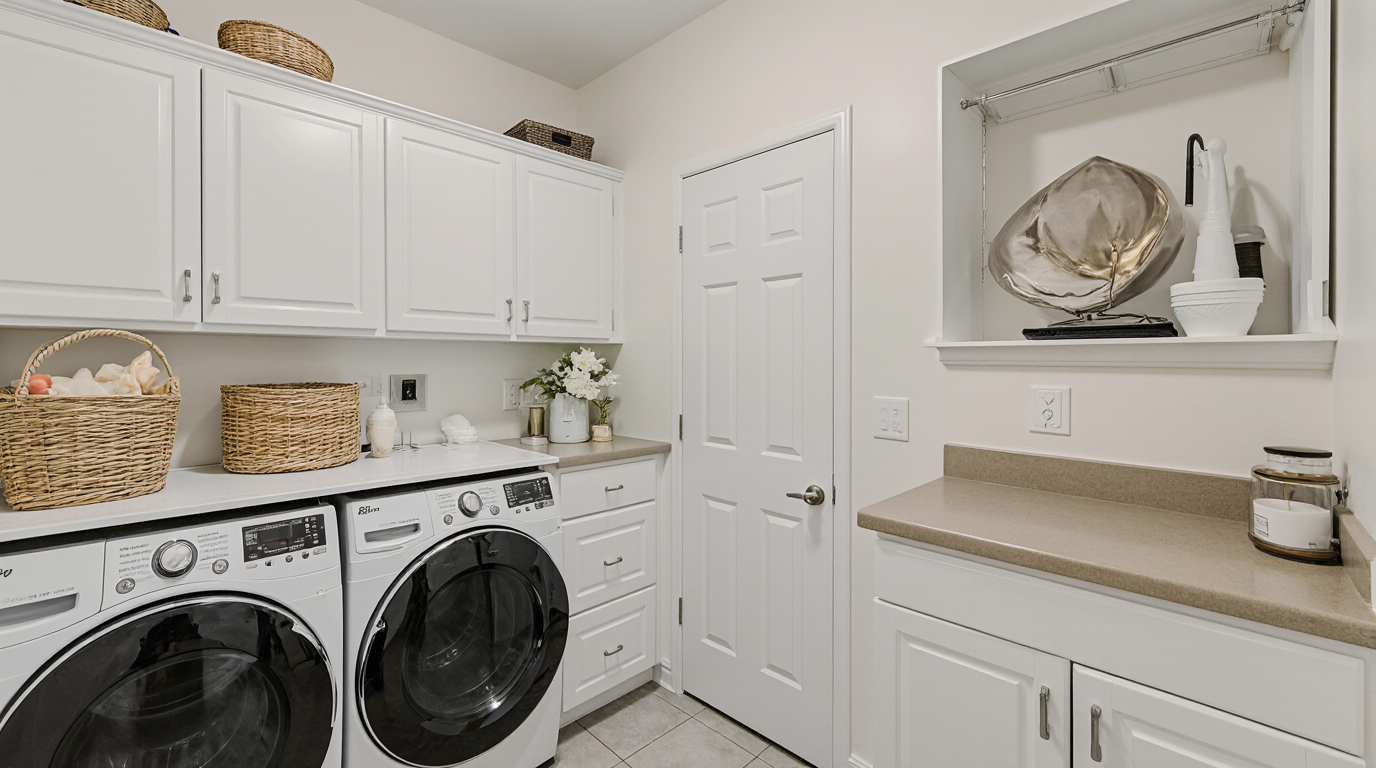
In the quest to cutting-edge and stylish options, solid surface materials—like those made from acrylic compounds—deliver a seamless look with non-porous qualities that closely mirror quartz. These surfaces are usually repaired more easily than stone in the event of damage, making them a highly practical choice for busy areas. In addition, the concept of mixed materials is becoming more widespread, where a primary durable surface like quartz is paired with a secondary wood section situated the sink for a softer visual, or a unique material like epoxy coating is applied over a substrate to create a bespoke, artistic finish that is intensely durable and visually striking.
Configuration and workflow optimization should guide your material choice. For compact areas, installing a floating countertop directly above front-loading washers and dryers at once utilizes vertical real estate, effectively changing the tops of the machines into a dedicated folding station. In such situations, the countertop must be reinforced to withstand potential machine vibrations, often requiring side supports attached to the adjacent cabinetry or walls rather than relying solely on the appliances for stability. In contrast, laundry rooms with more square footage benefit significantly from the inclusion of a central island. This island, topped with a hard-wearing like stainless steel for a sleek feel or quartz for a immaculate look, becomes the multi-functional operational center for tasks like or detailed stain treatment, significantly enhancing the room's overall utility. Ultimately, the optimal laundry room countertop acts as the connecting point between functional necessity and personal retreat, mirroring thoughtful design choices that support the household's rhythm and flow.