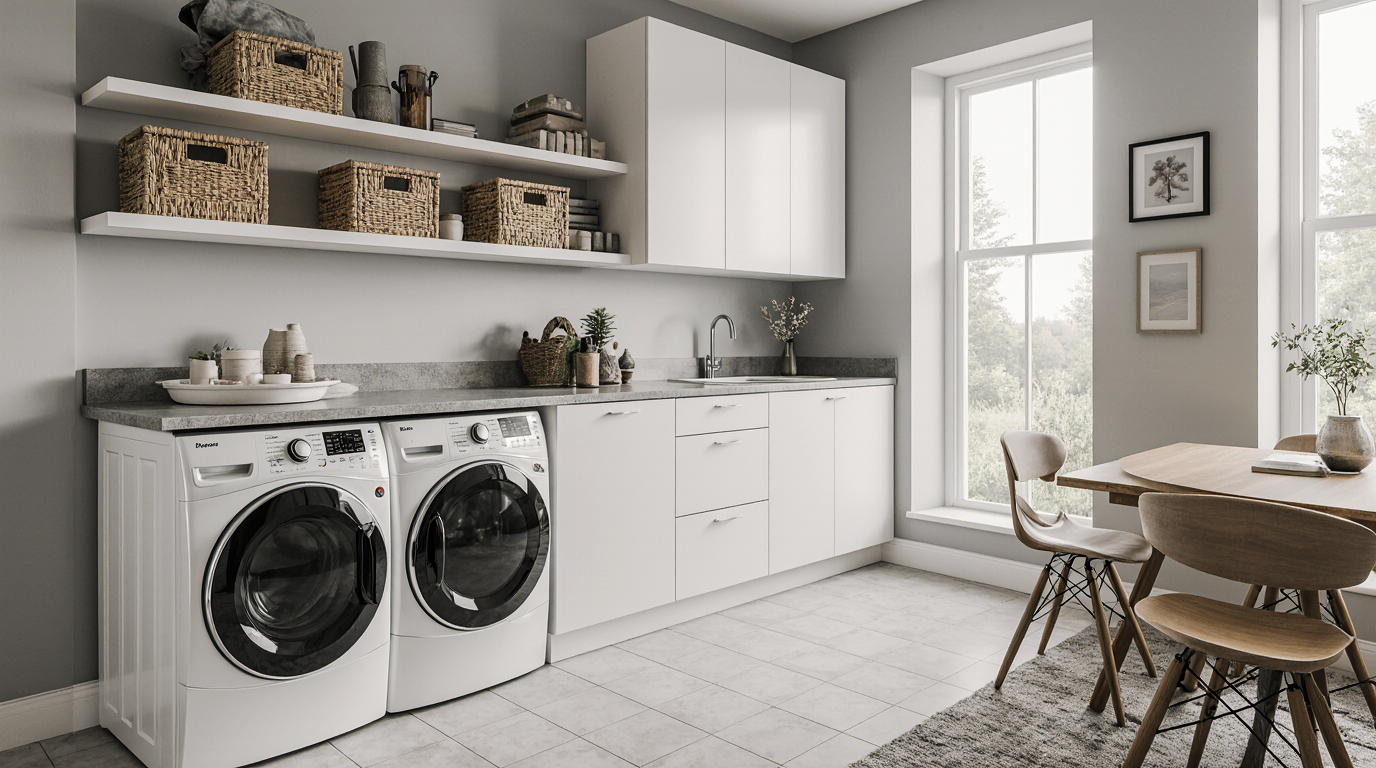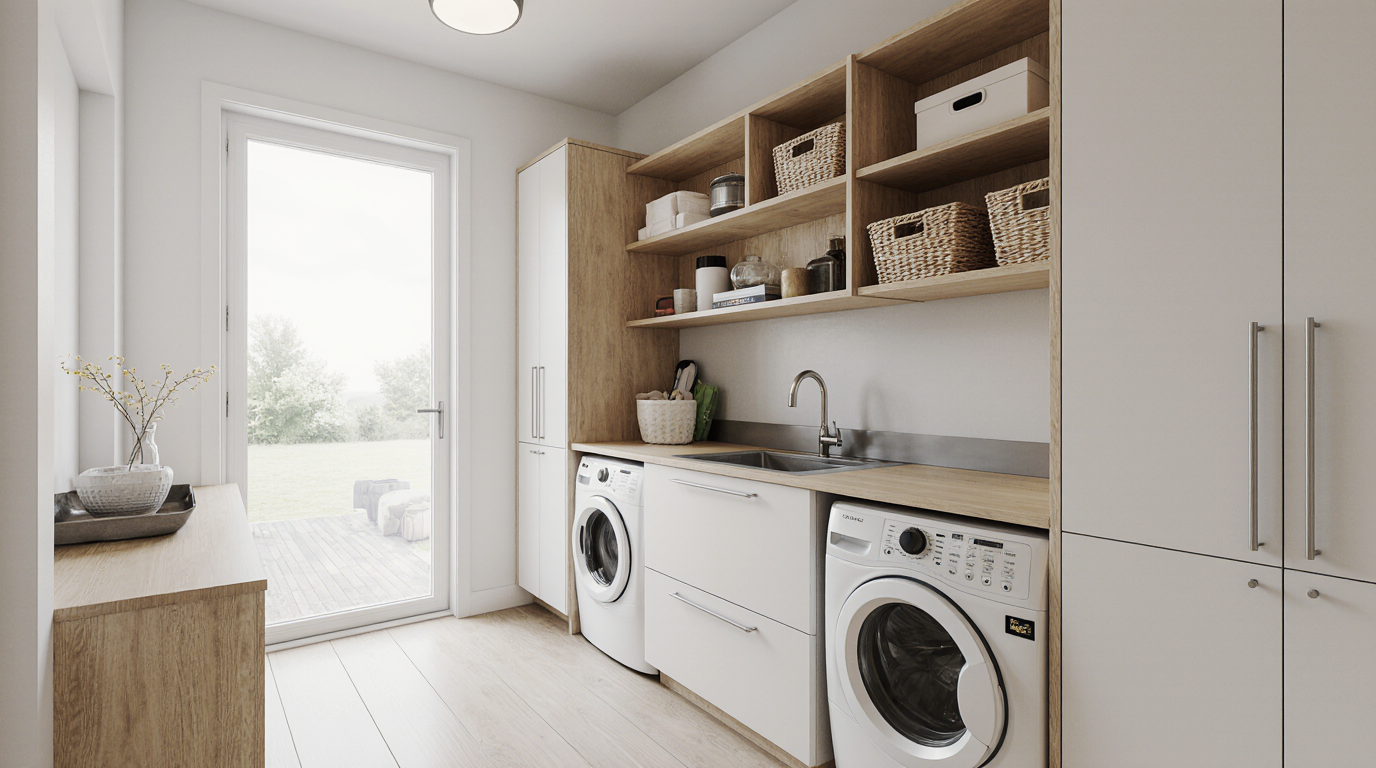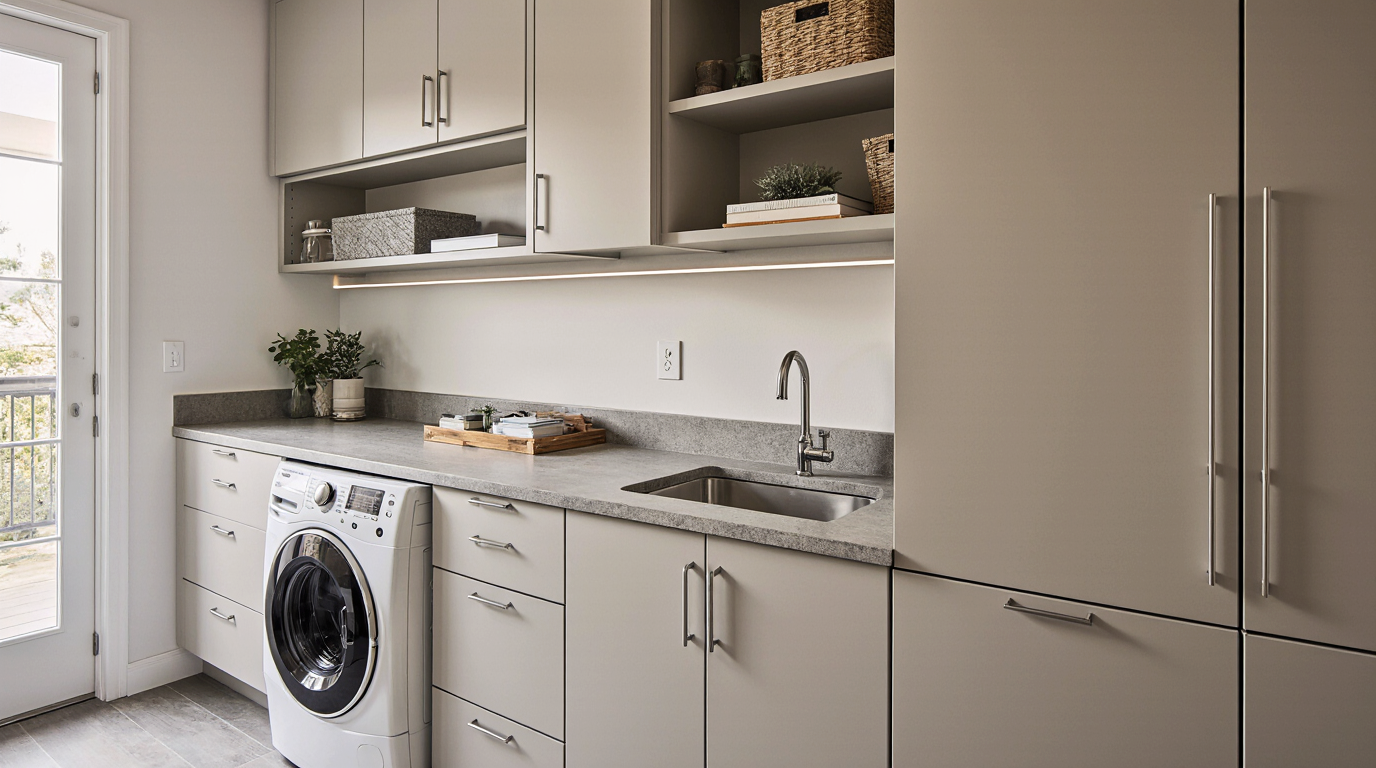
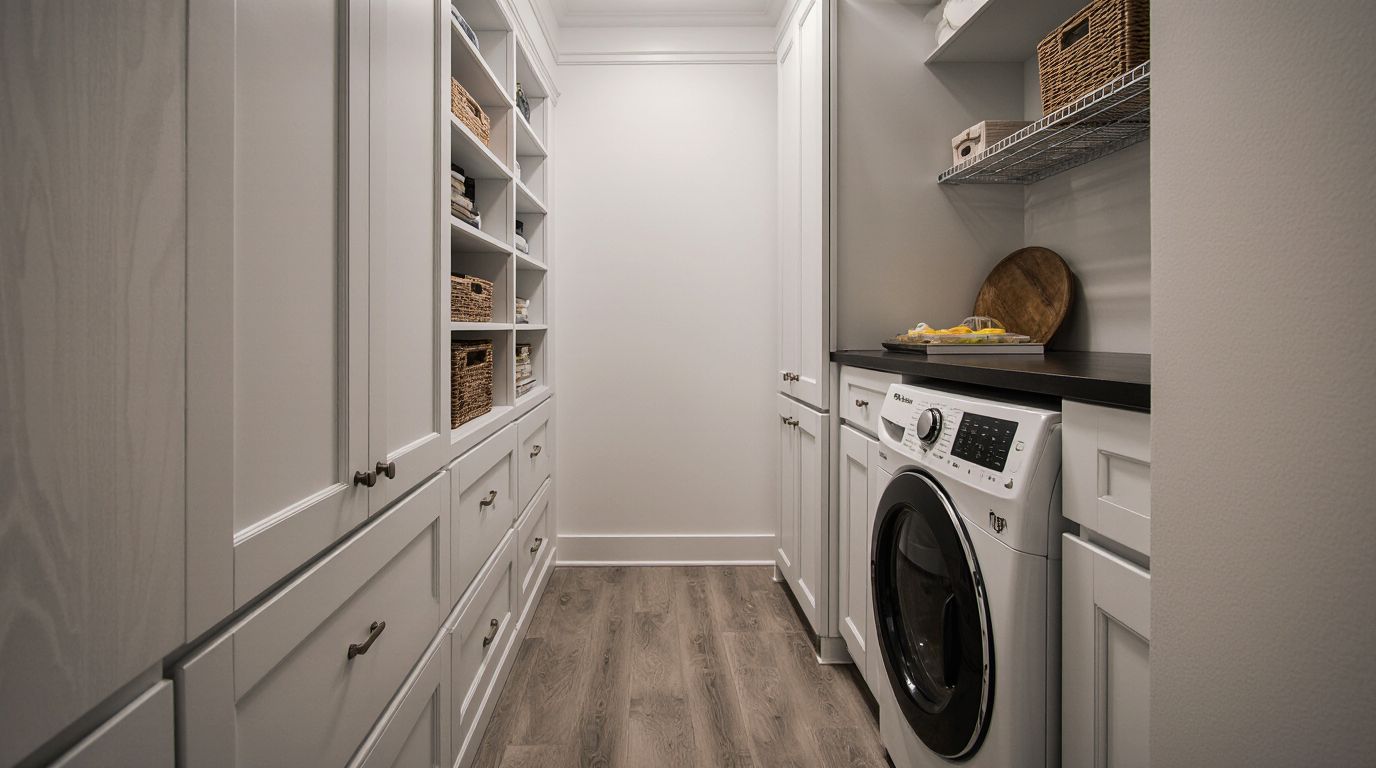
The modern home demands more from each square inch, and the utility room, or laundry room, is a key area. Gone are the days when this space was shoved into a forgotten alcove. Today's utility room aesthetic is about blending visual appeal and peak performance. This area should be a zone of immaculate organization, a place where the process of clothing maintenance becomes an incredibly smooth process, supported by clever tech and well-considered elements that reflect the existing style of the residence. True design excellence in this space comes from seeing it not as a chore center, but as an additive part of your home, a hub for home tasks that deserves the same consideration as the kitchen or bath.
One of the most significant shifts in contemporary design centers on materials that bring visual warmth and durability. Moving past standard functional choices, consider the use of genuine wood floors or superior porcelain tiles that replicate organic textures. This decision instantly elevates the room’s overall atmosphere of luxury and relaxation. For surfaces, the focus is heavily leaning toward premium fittings and fixtures. Think past basic silver finishes; incorporating metallic highlights like satin bronze or oil-rubbed finishes injects a layer of unique refinement. The countertop selection is crucial. Materials like engineered quartz or honed granite offer stain resistance and a luxurious tactile quality provide the best backdrop for organizing or pressing garments. A deep basin sink, often inspired by farmhouse aesthetics, becomes indispensable is perfect for hand-washing delicate items or pre-soaking stained garments without splashback or concern for the surrounding cabinetry.
The way you manage the layout determines effectiveness. Elegant storage isn't just a bonus; it's essential for an efficient, clear process. Tall, tailor-made cupboards utilize all overhead room, vital when space is limited. These custom enclosures ought to have specific, marked sections—maybe premium slide-out bins or hidden receptacles to mask laundry until the wash cycle. For lesser-used items, like specialized cleaning agents or seasonal linens, overhead cabinets equipped with subtle underlighting create both ambiance and accessibility. Furthermore, the often-overlooked task of ironing is streamlined by incorporating pull-out ironing boards concealed within drawers, preserving precious floor space when not in use. When there is room, a nearby folding area—like a heavy-duty wooden top or an extended counter—offers a comfortable spot just for the final step.
Color palettes are currently drawing heavily from Scandinavian and Japanese design philosophies, emphasizing minimalism and natural materials. This means using muted, restful greens, peaceful blues that suggest freshness, or rich, natural tones that harmonize well with exposed timber. The main goal is to prevent a cold, clinical feel. Where you have the opportunity, exposed shelving in substantial, naturally shaped wood can feature selected objects—such as uniformly stacked white cloths or boutique cleaning product containers—to contribute texture and individual flair. Even the the arrangement of washers and dryers can itself be a style choice; identical models in current shades like pale white or charcoal add to the room's harmony. Technology is now expected, with machines that measure loads automatically and can be controlled remotely, indicating a shift toward easier, more self-sufficient laundry routines.
The idea of a room serving multiple purposes is becoming very popular, particularly in homes with limited square footage. Designing a combination laundry and entryway space merges coming-and-going tasks. Incorporating things like a fitted bench with storage below—great for temporary storage of bags or shoes—and strong hangers for outerwear build a functional system right at the entry point. This fusion demands durable, waterproof flooring to handle tracked-in dirt and moisture. Alternatively, for those who work from home, incorporating a slim-profile, pull-out desk or a dedicated, well-lit corner transforms the space into a temporary secondary workspace, allowing multitasking without sacrificing the primary function of the room.
The element of personalization is what truly distinguishes a well-designed utility space. This room should seem welcoming and motivating, not cold and factory-like. Introducing unexpected decor is essential. A the right area mat can delineate a section and add a rich fabric element where you stand. Consider a bold tile backsplash behind the sink or machines—a geometric pattern or a rich jewel tone can act as the room’s focal point. Small elements, including framed antique laundry-themed art or up-to-date prints of rich foliage, inject necessary life into the area. Plants suited to humid indoor conditions, such as the Peace Lily or Snake Plant, thrive here and contribute to air quality while visually softening the hard lines of the machinery and cabinetry. A superior utility room showcases comprehensive home design principles, a spot where top-tier function marries elevated fashion, ultimately creating an area that significantly improves everyday routines.