Small Laundry Room Design: Transforming Compact Spaces into Functional Luxury
Designing a small laundry room presents a unique challenge that combines creativity, efficiency, and aesthetic appeal. Every inch of space must be utilized strategically, transforming a simple utilitarian area into a functional and stylish part of the home. A well-designed laundry room is not just about practicality; it can significantly enhance the overall value of a home while providing a comfortable and organized environment for daily chores. Essential elements for an effective small laundry layout include optimized storage, advanced appliances, and visual techniques that enhance space perception and style.
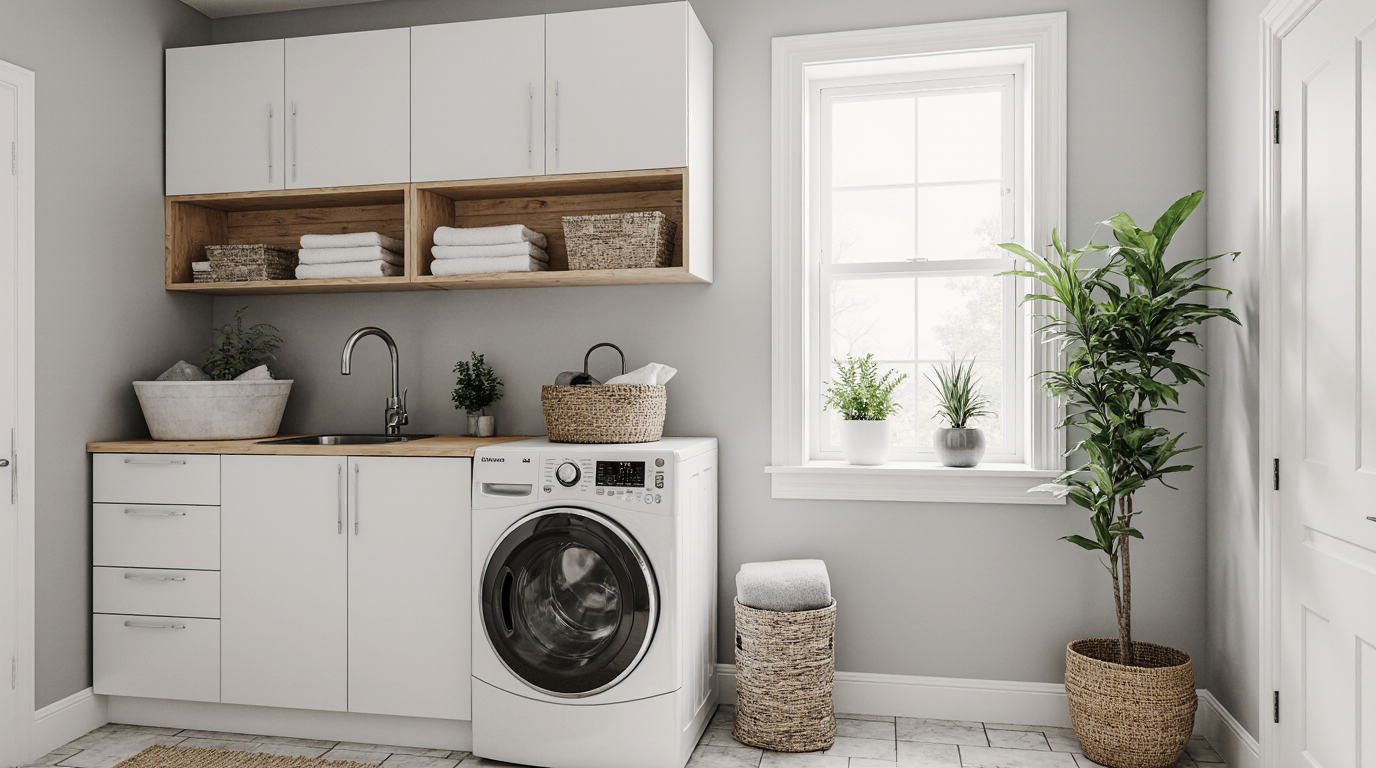
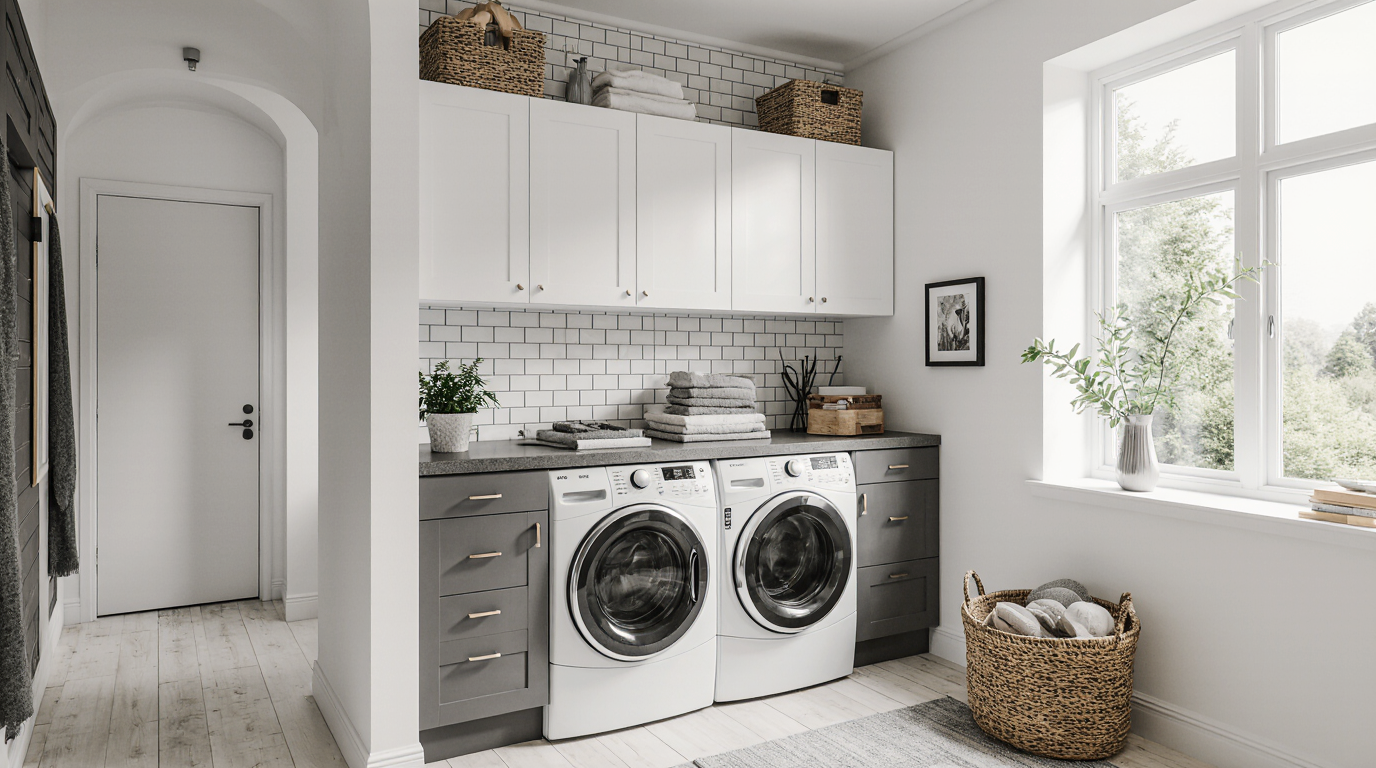
Appliance arrangement is crucial in tight laundry areas. Stackable washers and dryers are a game-changer for small laundry rooms, allowing vertical use of space and freeing up floor area for additional storage or folding stations. Modern, high-efficiency appliances deliver superior performance while minimizing utility costs. Encasing machines in tailored cabinetry not only improves style but also promotes an organized, harmonious design. Custom cabinets around stacked washers and dryers optimize storage, hide supplies, and keep the laundry room visually tidy.
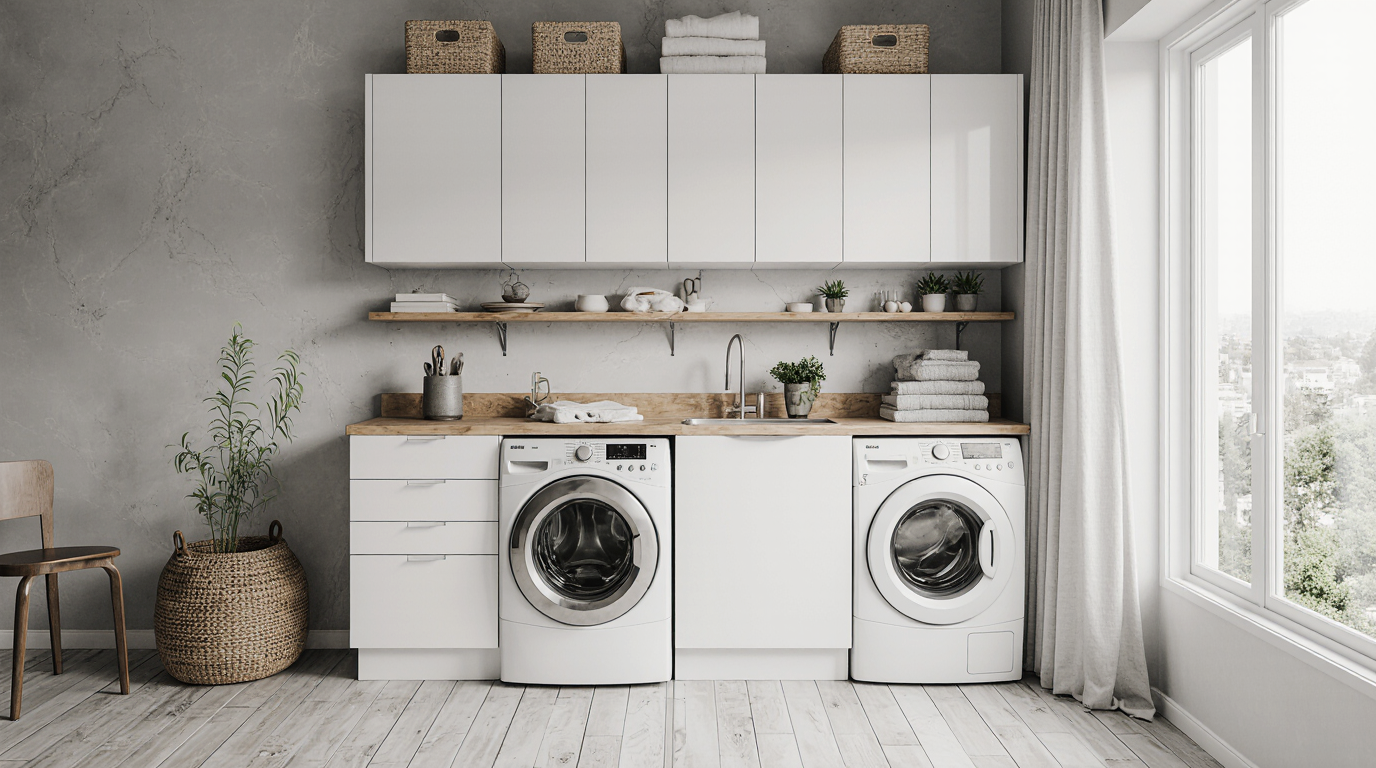
Storage solutions in a small laundry room need to be both practical and visually appealing. Vertical storage through open shelving, hidden drawers, and integrated cabinetry enhances efficiency. Designers often suggest installing wall-mounted drying racks or foldable ironing boards that can disappear into the wall when not in use. Every inch of vertical space becomes an opportunity to add functionality without making the room feel crowded. Incorporating concealed hampers and sliding storage ensures tidiness and visual harmony.
Thoughtful lighting can dramatically change the perception of a small laundry room. A well-lit laundry room feels larger, cleaner, and more inviting. Whenever feasible, sunlight should complement artificial light, which can include recessed, LED strip, or stylish pendant lighting. Bright, even lighting improves visibility for sorting and folding clothes while creating a more enjoyable space to work in. Reflective surfaces and mirrors enhance perceived space and distribute light evenly.
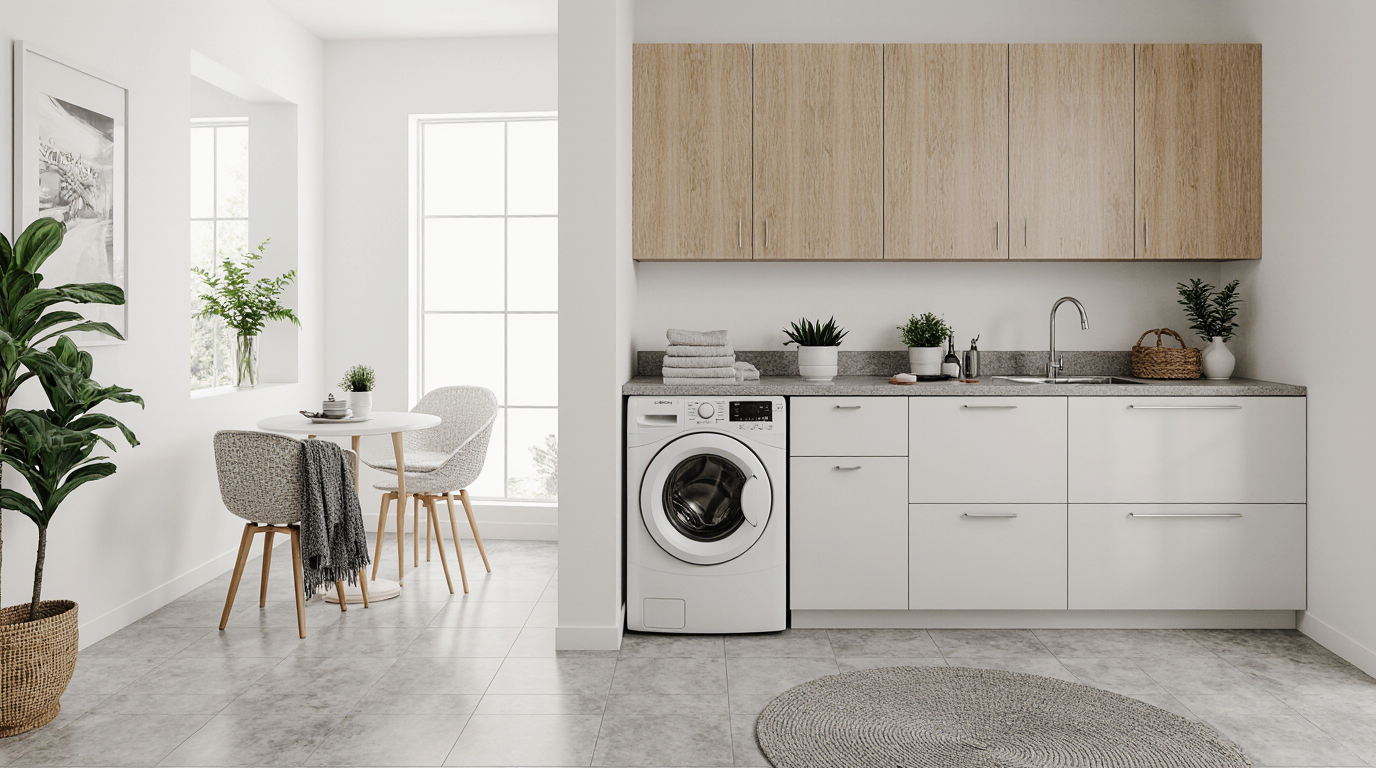
Color selection is another essential factor in designing a small laundry room that feels spacious and stylish. Gentle shades of white, gray, or pastel evoke openness and calmness. Contrasting trims or bold accents can add character without overwhelming the space. Incorporating wood, woven elements, and neutral tones adds depth, warmth, and timeless style. Thoughtful color coordination elevates the room’s mood and makes routine tasks more enjoyable.
Smooth workflow and ergonomic planning make small laundry spaces highly functional. Layout planning should follow the logical progression of chores to minimize effort and time. Placing counters over machines and nearby sinks streamlines tasks, enabling efficient handling of delicate and routine laundry. Designers often highlight the importance of ergonomic layout in small laundry rooms, ensuring that every element, from shelves to machines, is easily accessible without unnecessary bending, stretching, or lifting. Thoughtful workflow integration allows compact laundry spaces to function smoothly and effortlessly.
The addition of aesthetic details elevates a small laundry room from purely utilitarian to luxurious. Tiles, hardware, and organized storage elements unify design while expressing individual taste. Subtle accents like greenery or artwork bring warmth and charm. Minimalist layouts maximize space and conceal clutter, whereas vintage-inspired elements add playful charm. The key is to create a space that is as enjoyable to spend time in as it is efficient to use.
Adaptable furniture and modular units allow small laundry rooms to perform multiple functions efficiently. These features allow the room to adapt to different tasks without requiring additional square footage. Flexible cabinetry and workstations boost storage and workspace in tight laundry layouts. For example, a countertop can double as a workspace for laundry and a decorative area for displaying small plants or household items, blending form and function seamlessly.
Green design strategies combine functionality and environmental responsibility in small laundry areas. Sustainable appliances and fixtures conserve resources and reduce utility bills. Homeowners increasingly prioritize sustainable features, integrating eco-friendly solutions without sacrificing style or convenience. Opting for high-efficiency equipment and eco-friendly materials blends performance with environmental stewardship.
Thoughtful organization ensures small laundry rooms operate smoothly and appear neat. Clear containers, labeled baskets, and designated zones for different laundry tasks help maintain order. Even minor adjustments, such as keeping frequently used items at eye level and lesser-used supplies in higher cabinets, can improve efficiency dramatically. Structured design promotes easy maintenance and long-term aesthetic satisfaction.
From storage to aesthetics, each design choice shapes the room’s usability and ambiance. By combining strategic storage, smart appliances, thoughtful lighting, and aesthetic touches, even compact laundry spaces can become highly functional, organized, and luxurious. Embracing creativity and careful planning ensures that the laundry room, often overlooked, becomes a seamless extension of the home’s overall design, enhancing both daily routines and long-term value. Optimal balance of aesthetics and usability allows small laundry rooms to achieve both sophistication and everyday functionality.