Small Laundry Room Layout: Maximizing Functionality and Style in Compact Spaces
Creating a compact laundry room demands a meticulous combination of efficiency, orderliness, and visual sophistication. With limited square footage in today’s homes, carefully designed laundry layouts elevate ordinary chores into organized, satisfying routines. Every inch of space in a small laundry room counts, and thoughtful planning ensures that storage solutions, workflow, and style seamlessly coexist. A well-executed layout addresses not only the placement of appliances but also enhances usability, accessibility, and the overall ambiance of the space.
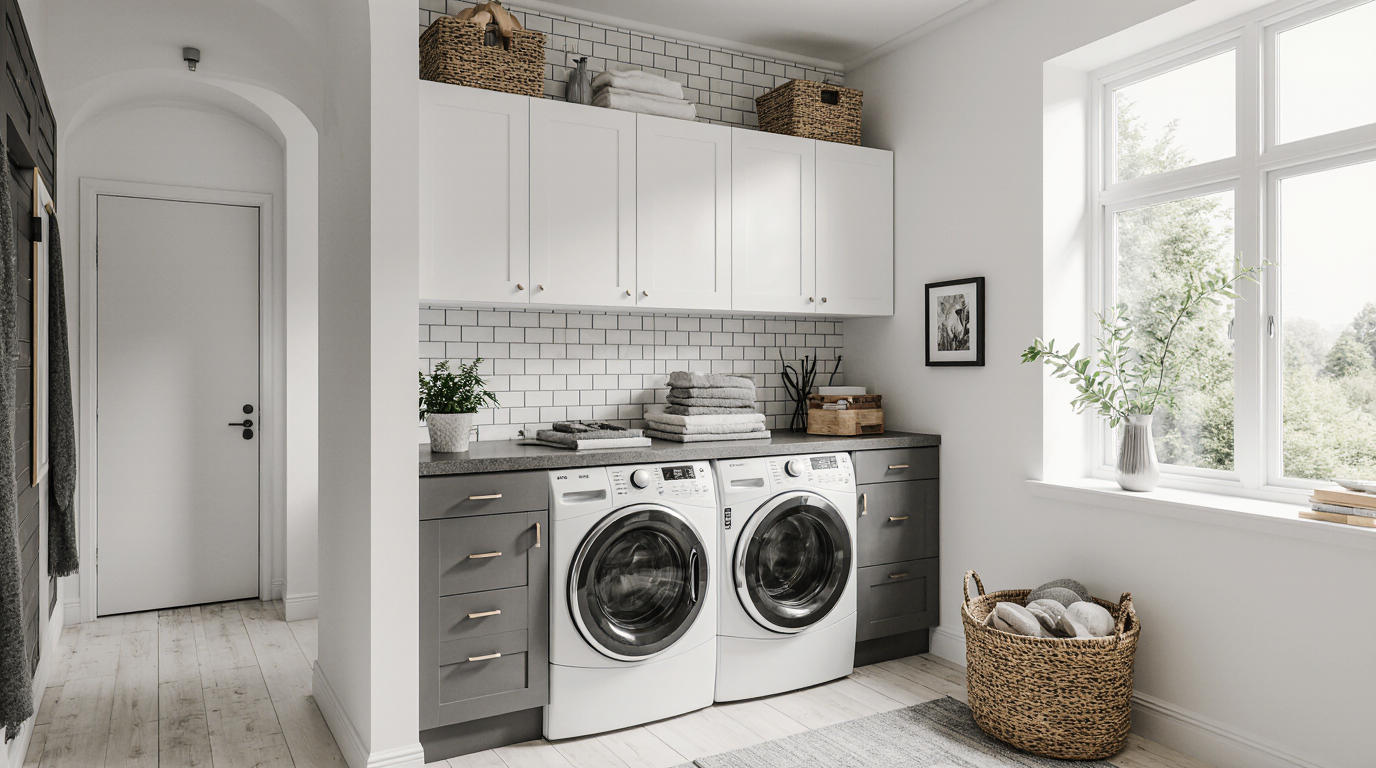
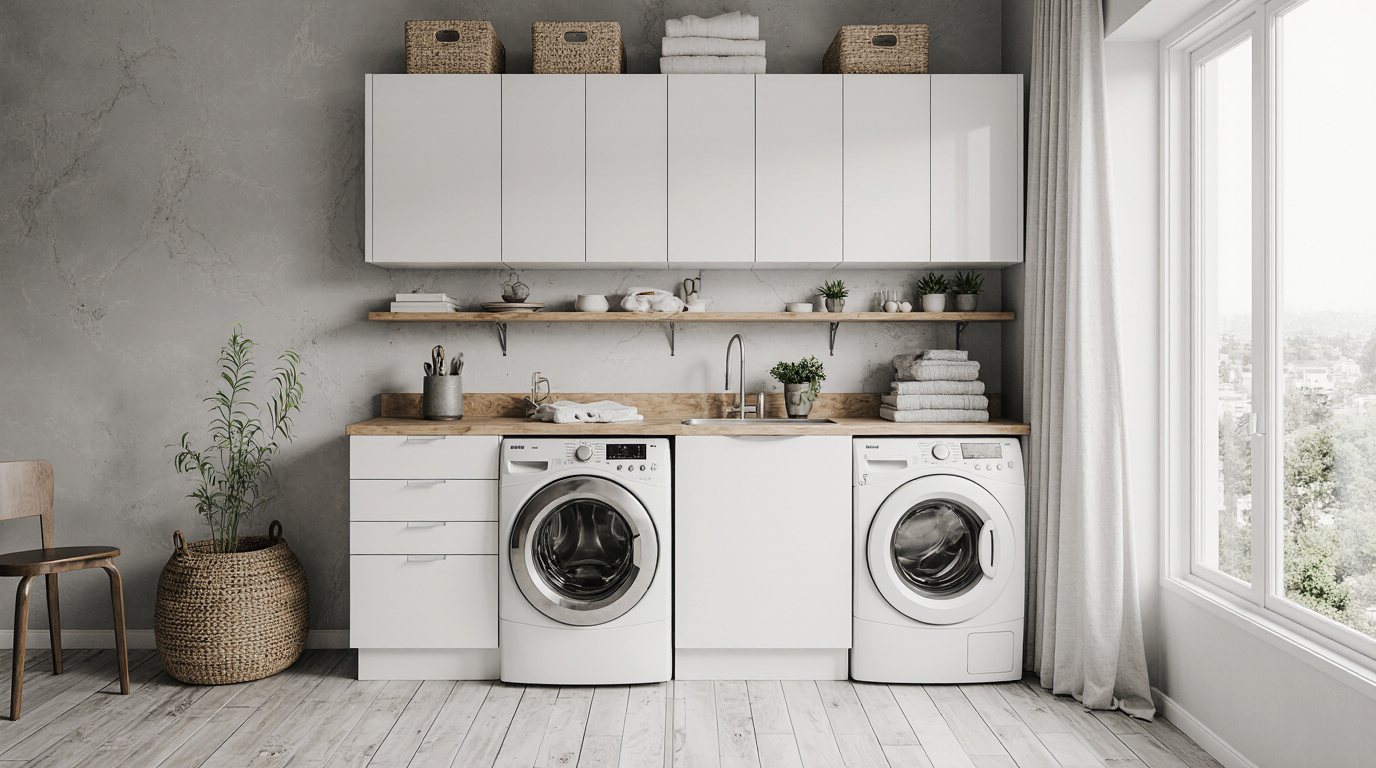
Efficiency begins with appliance selection and placement. Stackable front-loading machines maximize vertical space, providing room-saving solutions in tight laundry areas. Side-by-side placement with overhead counters supports ergonomic use and creates convenient folding stations. Incorporating eco-friendly washer and dryer units optimizes energy use while lowering household utility bills. Organized appliance positioning establishes a logical workflow that minimizes effort and maximizes output.
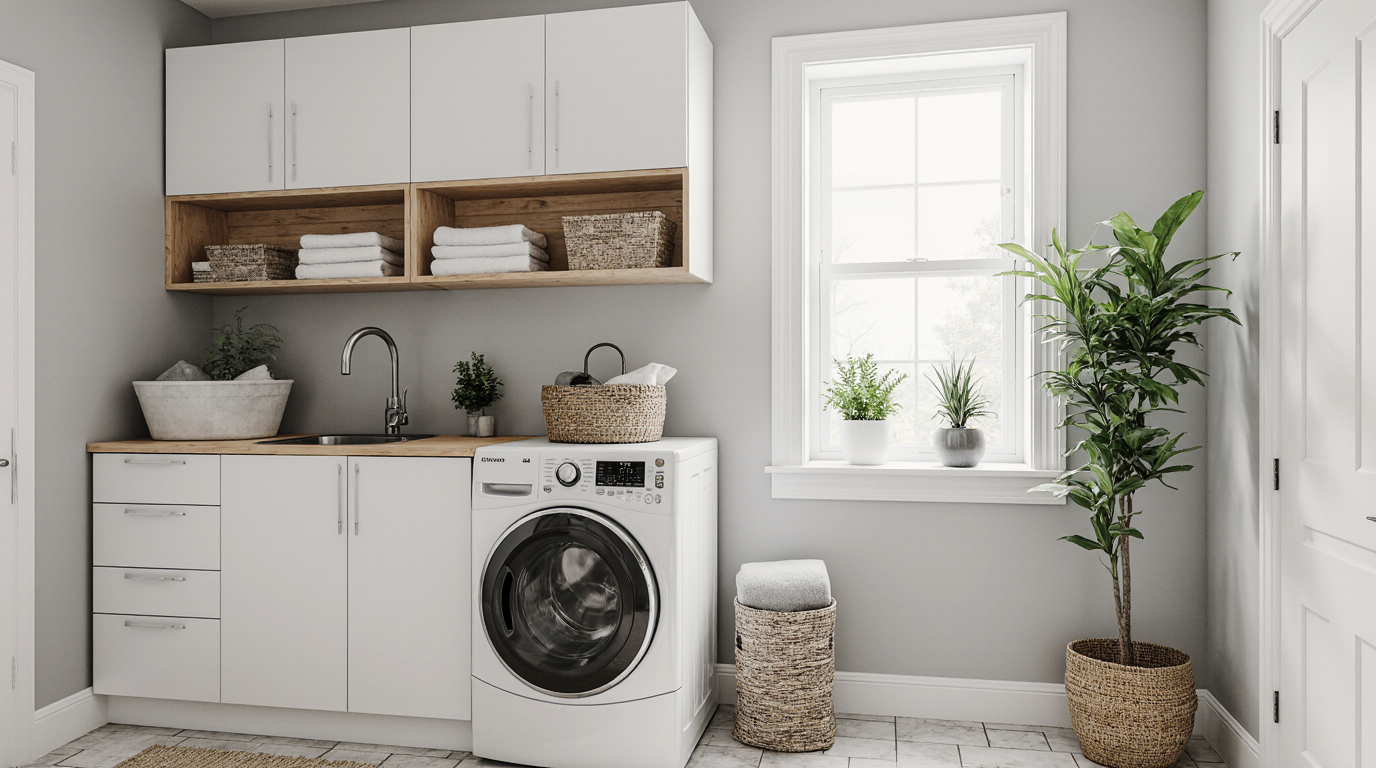
Efficient storage planning underpins both functionality and aesthetic appeal in small laundry areas. Adapted shelving, cabinetry, and cubbies maximize space and functionality in tight laundry areas. Elevated storage cabinets optimize limited square footage, storing detergents, tools, and laundry accessories efficiently. Open shelving offers easy access to frequently used items, while labeled bins and baskets can keep smaller necessities organized and aesthetically pleasing. Tailored storage solutions adapt to awkward corners or tight walls, leaving no space wasted.
Thoughtful lighting design enhances both practicality and ambiance in small laundry rooms. Strategic lighting ensures clear visibility while creating a welcoming, well-lit atmosphere. Layered lighting strategies, including overhead and under-shelf lights, optimize visibility and spatial perception. Natural light, when available, adds warmth and reduces reliance on artificial sources. Even in windowless laundry rooms, the careful use of reflective surfaces, light-colored walls, and strategically placed mirrors can visually expand the room, creating an airy and welcoming environment.
Flooring and durable surfaces are essential components that blend both practicality and style. High-traffic, spill-prone laundry rooms benefit from surfaces that combine robustness with aesthetic quality. Durable surface materials balance style with practicality, maintaining beauty under constant use. Selecting tough, low-maintenance counters enhances functionality and longevity. Integrating multifunctional surfaces, such as a fold-down ironing board or a pull-out drying rack, can further enhance the utility of a compact space without cluttering it.
Strategic palette and material selection influence spatial perception and mood. Light, neutral tones tend to make spaces feel larger, while contrasting accents can add depth and interest. Harmonizing materials, finishes, and hardware elevates the laundry room’s visual appeal. For example, pairing white cabinetry with soft gray walls or warm wood accents can generate a sense of harmony, ensuring that the laundry room complements the overall home design while maintaining its identity as a functional workspace.
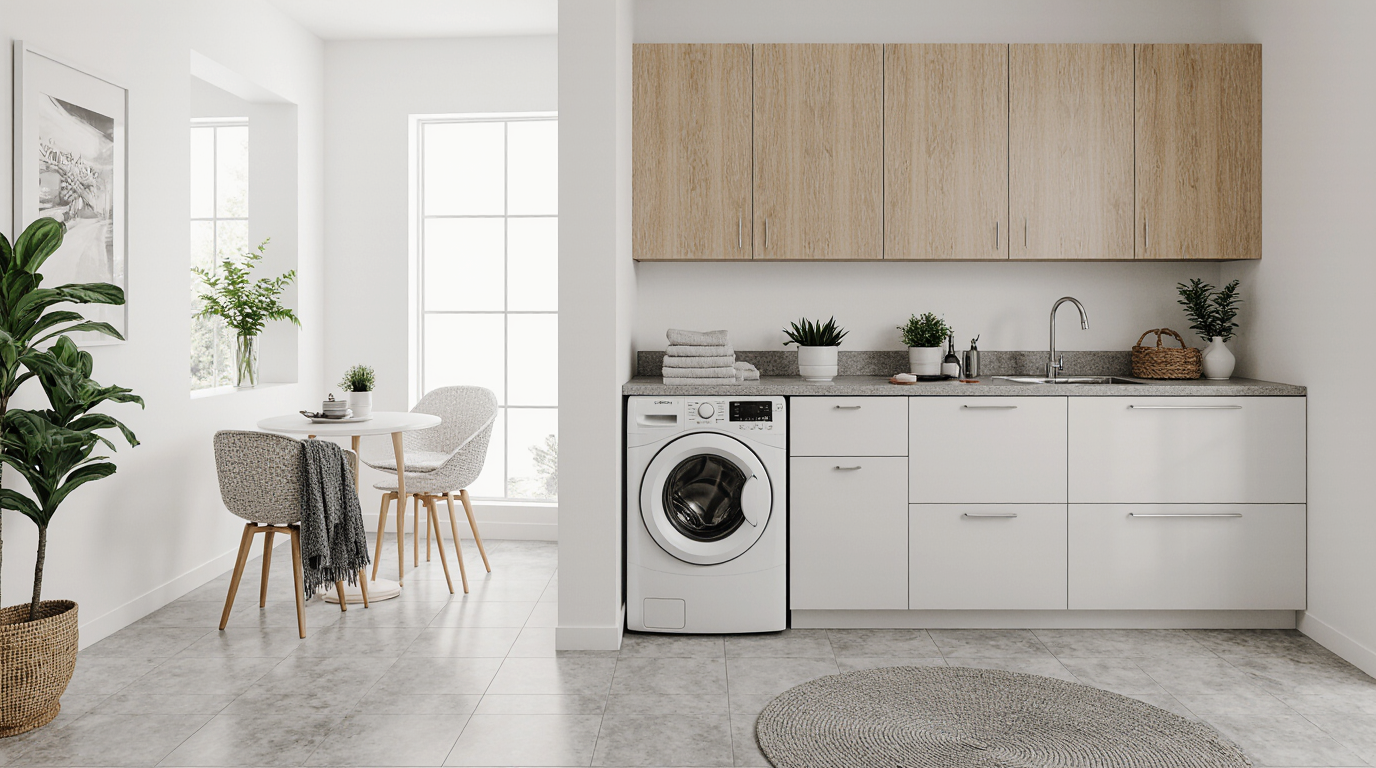
Functional zoning maximizes efficiency and ease of use in small laundry rooms. Creating designated zones for washing, drying, folding, and ironing minimizes movement and streamlines chores. Space-saving hanging and drying systems preserve compact floor layouts. Incorporating a small utility sink can provide a convenient area for hand-washing delicate items or treating stains, enhancing the practicality of the room. Even the placement of hooks, magnetic strips, or pegboards for organizing tools and supplies contributes to a smoother, more intuitive laundry process.
Ergonomics are often underestimated in compact laundry rooms but are vital for long-term comfort and ease of use. Correct heights for appliances and surfaces reduce physical fatigue and improve workflow. Pull-out drawers and sliding shelves make retrieving detergents, fabric softeners, and other items easier, particularly in deeper cabinets. Counter-level folding areas paired with movable hampers optimize efficiency and spatial organization. Attention to detail transforms compact spaces into highly functional, user-friendly environments.
Proper ventilation preserves both room quality and appliance longevity. Proper airflow prevents excess moisture, mildew, and odors from accumulating, which is particularly important in confined spaces. Integrating ventilation systems and vented appliances safeguards both indoor air quality and household infrastructure. For homeowners seeking a holistic approach, integrating eco-friendly solutions, such as energy-efficient ventilation systems and moisture-resistant materials, contributes to a sustainable and durable laundry space.
Aesthetic touches elevate the room without compromising usability. Visual enhancements like framed prints, greenery, or designer rugs make chores more enjoyable. Attractive organizational tools serve both practical and decorative purposes. These touches help transform the laundry room from a purely utilitarian space into an enjoyable environment where daily tasks feel less like chores and more like routine self-care. Balancing functional and aesthetic priorities results in a harmonious, user-friendly laundry room.
A small laundry room layout requires meticulous planning, creative storage solutions, and attention to detail. Focusing on workflow, appliance choice, vertical storage, and visual harmony creates an ideal compact laundry area. Careful design choices turn compact laundry rooms into practical, elegant extensions of the home. Integrating planning, lighting, ventilation, and style creates compact laundry spaces that maximize usability and pleasure.